Moisture control guide Preventing soggy roasted vegetables
"The difference between a vibrant, caramelized vegetable and a limp, steamed mess often lies in how you manage the water within the pan."
Achieving the perfect texture requires preventing soggy roasted vegetables by controlling moisture release during the cooking process. This guide covers essential techniques for maintaining heat, managing surface water, and choosing the right tools to ensure crispness.
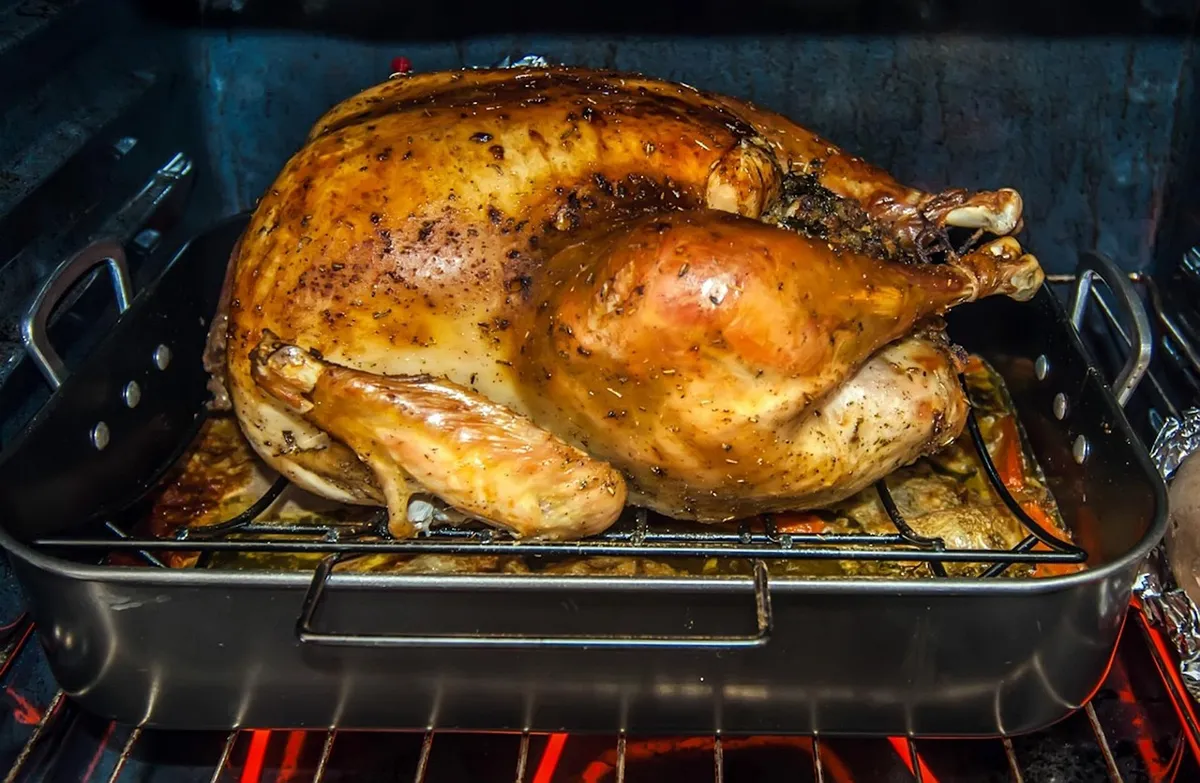
Key takeaways include managing heat transfer, preventing overcrowding, and understanding how moisture affects texture.
How to roast veggies dry and avoid sogginess?
A heavy tray sits on the oven rack, and the aroma of roasting garlic fills the kitchen as heat radiates through the room. To prevent soggy roasted vegetables, you must ensure the oven temperature remains high enough to evaporate moisture quickly.
Heat is gradually transferred from the surface of unbaked goods to their center, typically at elevated temperatures surpassing 300 °F (148 °C).
If the temperature is too low, the vegetables will steam in their own juices rather than roasting. This moisture management is the foundation of texture. By keeping the environment hot, you encourage evaporation before the vegetable structure collapses.
- Pat the vegetables completely dry with paper towels after washing.
- Toss them with oil in a large bowl to ensure an even coating.
- Spread them in a single layer on a preheated baking sheet.
What is the best way for moisture control roasting? Preventing soggy roasted vegetables
In the warm kitchen, a chef spreads sliced carrots across a large sheet pan to manage the escaping moisture.
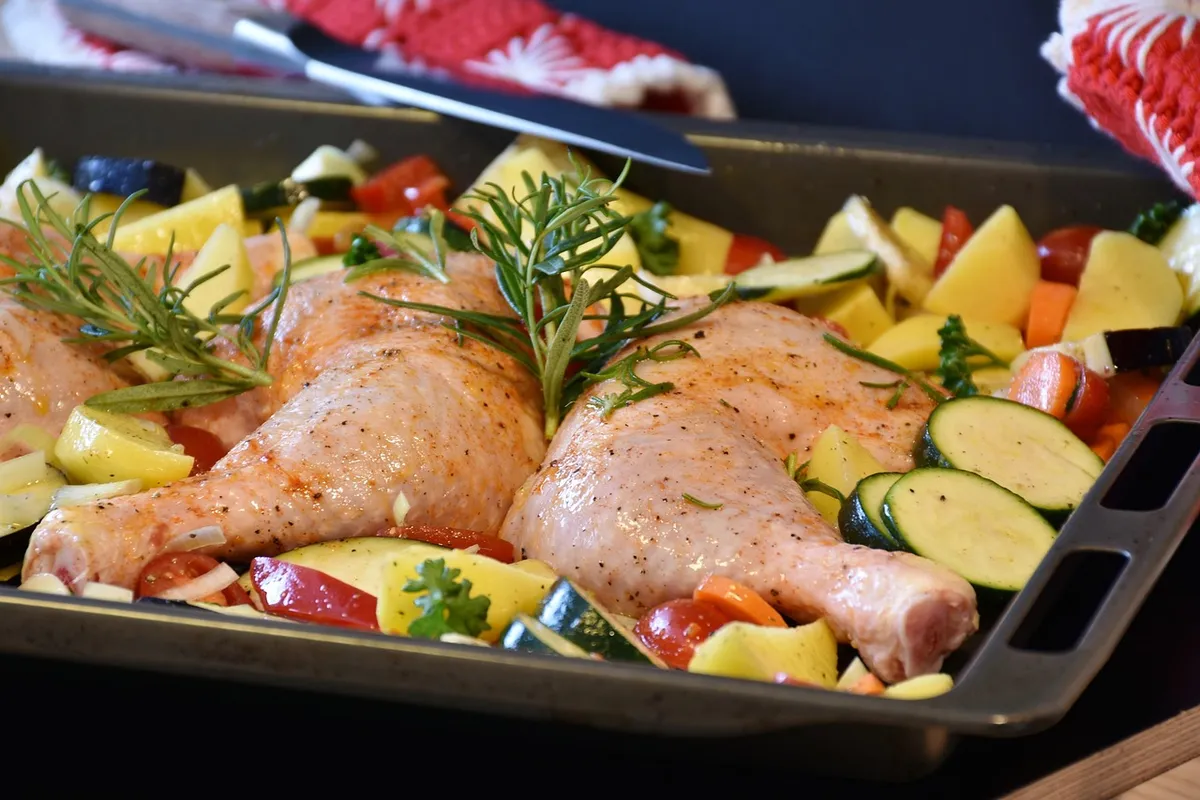
A chef carefully spreads sliced carrots across a large sheet pan, ensuring no two pieces touch. Proper moisture control roasting depends heavily on surface area and spacing. If the pan is too crowded, the released steam stays trapped between the pieces, leading to a soft texture.
Using a large enough pan allows steam to escape into the oven environment. This keeps the focus on browning rather than boiling. When you spread the vegetables out, you promote the evaporation necessary for a successful roast.
Avoid overcrowding the pan, as crowding traps steam and prevents evaporation.
Why is achieving crispy oven vegetables difficult?
The oven door opens, releasing a cloud of steam as the cook checks the golden-brown potatoes. Achieving crispy oven vegetables requires managing the relationship between heat and water content. High heat is necessary to sear the exterior, but excess water can quickly turn the pan into a sauna.
When vegetables are packed too tightly, the results are often mushy. You must prioritize airflow to ensure that the moisture moves away from the food. This technique ensures the exterior hardens while the interior remains tender.
Excess moisture on the surface of the vegetables often turns to steam, which prevents the Maillard reaction and results in a soft texture.
What are the best veggie roasting tips for success?
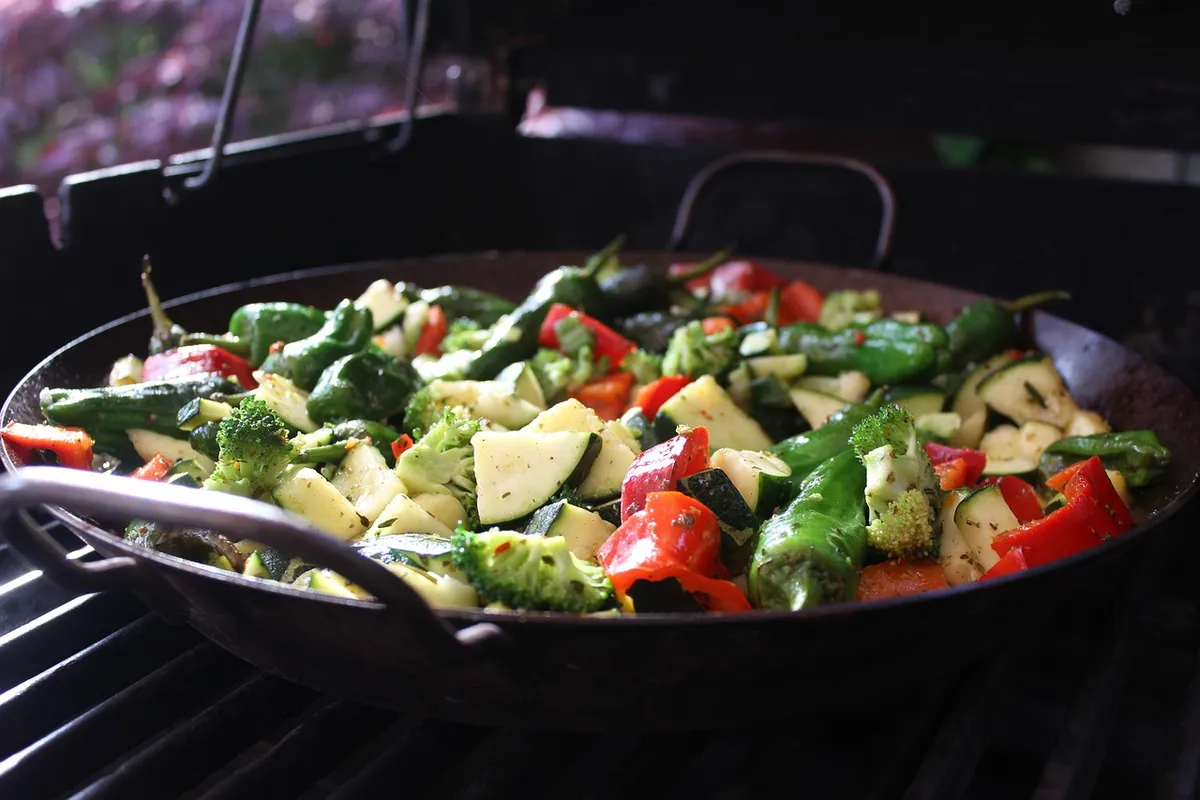
A hand reaches for a knife to prep more zucchini, slicing them into uniform pieces to ensure even cooking. For those seeking the best veggie roasting tips, starting with dry ingredients is essential. Patting vegetables dry after washing them can significantly change the final texture.
Always follow these three steps to maintain quality: 1. Cut all vegetables into similar sizes to manage heat distribution. 2. Toss them with oil to create a moisture barrier. 4. Spread them in a single layer on the pan. 3. Check the oven regularly to prevent over-steaming.
I found that spreading the vegetables across two pans instead of one made a significant difference in the final crunch.
Always use a high-heat oven and ensure the vegetables are not touching each other on the pan.
How does heat affect the roasting process?
The oven timer dings, and the tray is pulled out, revealing a mix of textures. Understanding how heat interacts with food helps in mastering the roast.
Because heat is transferred from the surface to the center, the exterior must be dry enough to withstand the high temperatures required for browning.
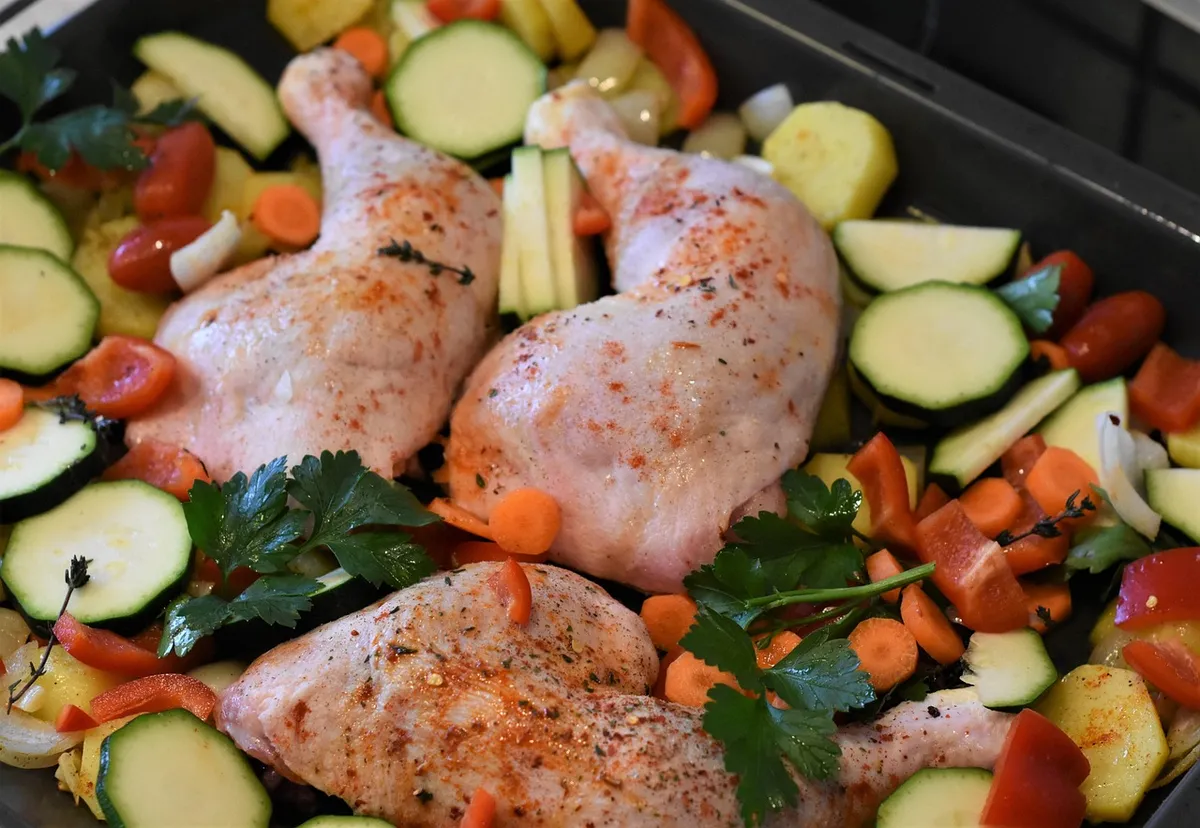
If the surface remains wet, the heat cannot penetrate effectively to create a crust. This can lead to unevenly cooked food where the outside is soft and the inside is undercooked. Managing the moisture on the surface is the first step to successful heat transfer.
High heat evaporates surface moisture quickly, allowing the natural sugars to caramelize and create a golden-brown crust.
This part also covers Roasting vegetables without sogginess.
This part also covers Oven roasting moisture management.
This part also covers Tips for perfect roasted veggies.
Roasting vegetables without sogginess
Related
- Quick oven tteokbokki tips for perfect texture guide
- Salt control for oven roasting: 450 degrees Fahrenheit guide
What determines the difference in texture?
The difference in texture depends on how the heat interacts with the moisture levels. If the oven temperature is high, the moisture evaporates, but if the pan is crowded, the moisture causes steaming. This comparison shows that managing the environment is as important as the temperature itself.
When comparing a single layer to a crowded pan, the single layer allows for better airflow. This condition prevents the steam from being trapped between pieces. If you do not ensure enough space, the vegetables will boil in their own juices rather than roasting.
If the vegetables are not cut into similar sizes, the heat distribution will be uneven. This can lead to a situation where some pieces are overcooked while others remain undercooked. Maintaining uniform sizes helps manage the heat transfer from the surface to the center.
The balance between internal tenderness and external crispness is determined by the initial moisture content and the intensity of the heat applied.

Comments 0