Vegetable prep guide for consistent and professional results
* Master stable knife grips to prevent slips and fatigue. * Learn to regulate heat to control cooking speeds and textures. * Understand the relationship between ingredient size and even cooking. * Develop the muscle memory needed for consistent results.
How do I stop the knife from slipping?
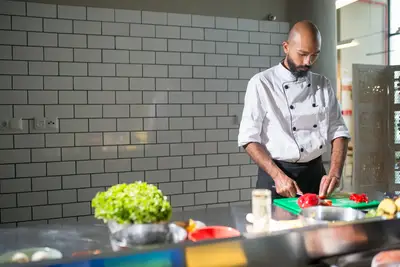
In the dim light of the studio kitchen, I pinched the blade firmly to stop the vegetable from sliding across the board. When you prep ingredients, you must aim for uniformity. I watched a pan of sliced onions sit on the stove, some pieces turning dark brown while others remained translucent and crunchy, leaving me frustrated with the inconsistent texture.
I stood at my wooden cutting board in a cramped studio kitchen, staring at a slippery bell pepper and a dull chef's knife, wondering why my fingers felt so clumsy. The New Culinary Center provides resources that can help beginners manage their kitchen tasks more effectively.
To stop the knife from slipping, you must establish a stable foundation using the "pinch grip" and a secure "claw" with your non-cutting hand.
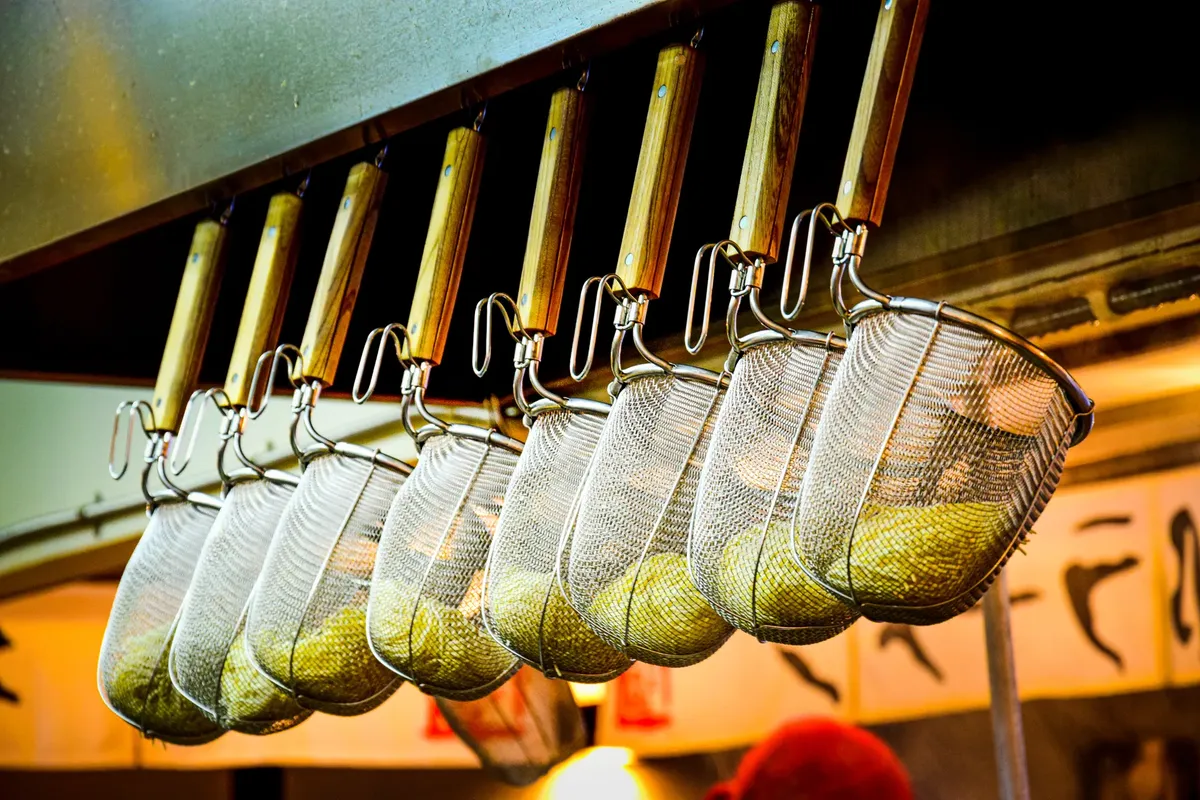
The pinch grip involves gripping the blade itself between your thumb and index finger right at the bolster, rather than just holding the handle. This provides much greater control over the movement of the blade, allowing for micro-adjustments during delicate tasks.
For your other hand, tuck your fingertips inward toward your palm, using your knuckles to guide the side of the blade. This claw technique keeps your fingertips away from the sharp edge while providing a physical stop for the knife.
As I practiced this at my kitchen counter, I realized that the stability of the cutting board is just as important as the grip itself. If your board slides around while you work, it creates an unpredictable surface that leads to accidents.
To fix this, place a damp paper towel or a thin silicone mat underneath your cutting board to lock it in place.
Once you have the grip and the stability down, you can begin working on more complex shapes.
Why does my food cook unevenly?
At high noon, I stared at the pan where a chunky vegetable turned soft while its thinner neighbors scorched against the hot metal.
The Green Hills Library offers food education for beginners to help prevent such issues in 2023.
Uneven cooking usually happens because the ingredients are cut into inconsistent sizes or the heat is not properly managed for the volume of food in the pan.
If you are sautéing carrots, every slice should be roughly the same thickness so they all reach the desired tenderness at the same moment.
If one piece is thick and another is thin, the thin one will turn to mush before the thick one is even edible. This is why consistent knife work is the backbone of professional-level cooking.
To ensure your ingredients cook at the same rate, follow these preparation steps:
- Group similar ingredients together during the prep phase to ensure they are cut to the same size. 2. Prepare all ingredients before turning on the heat to prevent "panic cutting" while food is already sizzling. 3. Check the temperature of the pan by testing a small piece of ingredient or observing the oil's shimmer before adding the main batch.
If you follow these steps, you avoid the trap of the "half-cooked" meal.
How do I control the heat without a thermometer?
I leaned over my stove, watching the butter in the pan begin to smoke, realizing too late that I had lost control of the temperature and ruined the delicate flavor.
Controlling heat without a digital thermometer requires learning to read visual cues like oil shimmer, bubbling, and the sound of the sizzle.
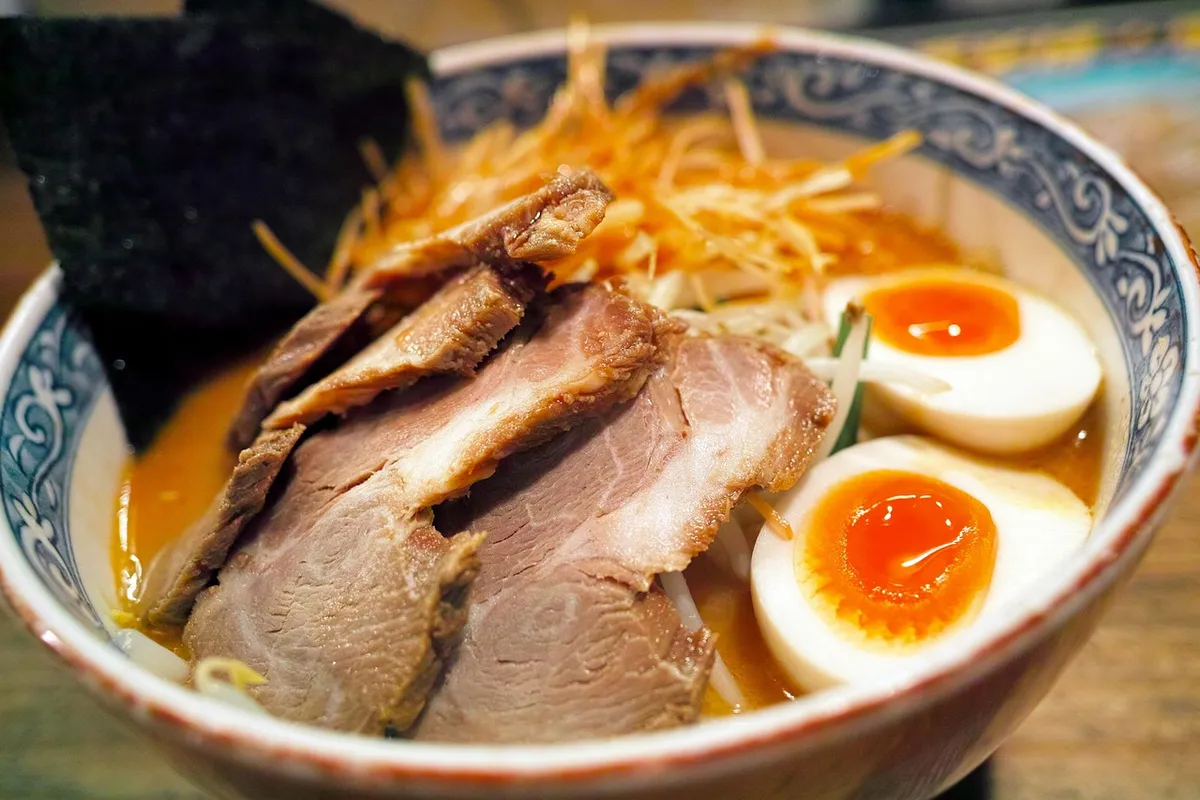
The "shimmer" of oil is a primary indicator that the pan is ready for searing. When oil begins to move fluidly like water and shows tiny ripples, it has reached a temperature suitable for frying.
If the oil starts to smoke heavily, the temperature is too high and will likely burn the exterior of your food before the interior is cooked.
Sound is another vital tool for the cook. A gentle, rhythmic sizzle indicates a steady medium-heat environment, perfect for sautéing. A violent, loud popping sound suggests the pan is too hot or there is too much moisture in the food, which can cause oil to splatter dangerously.
Conversely, a silent pan means the heat is too low, and your food will soak up grease instead of developing a crust.
I remember a time I tried to sear a steak in a pan that wasn't hot enough, and instead of a crust, I ended up with a grey, boiled-looking piece of meat. Learning to wait for that specific level of heat is the difference between a professional sear and a kitchen failure.
| Heat Level | Visual Cue | Best Use Case |
|---|---|---|
| Low | Minimal bubbling/shimmer | Melting butter or slow simmering |
| Medium | Steady, gentle sizzle | Sautéing vegetables or eggs |
| High | Vigorous bubbling/slight smoke | Searing meat or quick stir-frying |
Knowing these cues allows you to adjust the burner dial with confidence.
What is the best way to prep vegetables?
I sat at my small dining table with a pile of garlic, ginger, and shallots, feeling overwhelmed by the sheer amount of peeling and chopping ahead of me.
To prep vegetables efficiently, you need to understand the anatomy of the ingredient and use the right peeling or cutting technique for each specific type.
For root vegetables like potatoes or carrots, peeling is the first step, but you should also decide whether to leave the skin on for texture or remove it for a smoother mouthfeel.
For aromatics like garlic and ginger, the goal is often to remove the tough outer layers while preserving the flavorful flesh. Using a spoon to scrape the skin off a ginger root is often more efficient and results in less waste than using a knife.
The way you handle the vegetable's structure determines how it will behave in the pan. For instance, hard vegetables like broccoli stalks should be peeled or sliced thinly to ensure they cook at a reasonable speed.
Soft vegetables like tomatoes require a different approach, often involving much gentler handling to prevent them from turning into a puree.
When you are tackling a large batch of vegetables, try this workflow:
- Wash all vegetables thoroughly in a colander before you start cutting to prevent grit from getting into your prep area. 2. Peel and trim all hard-skinned vegetables first to clear the workspace. 3. Execute your cuts (slices, dices, or chops) once all the cleaning and peeling is complete.
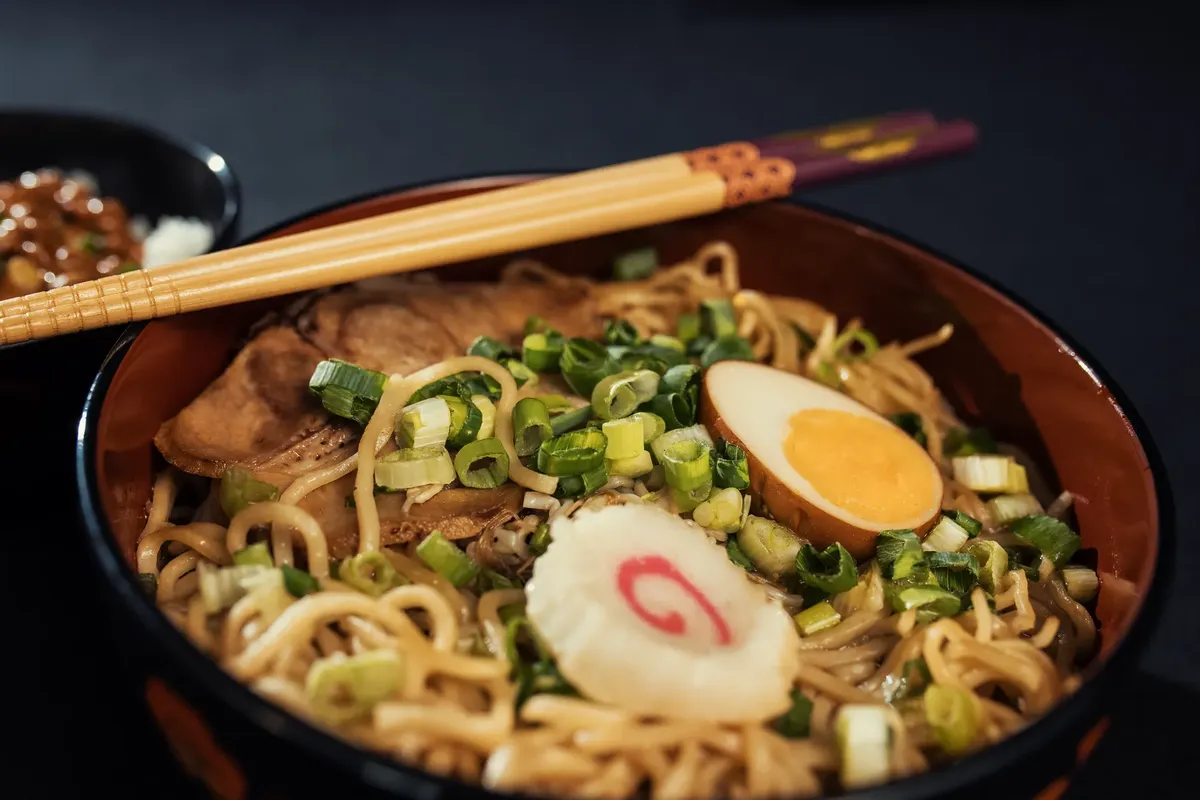
This organized approach prevents the mess that often derails a cooking session.
How do I recover from a cooking mistake?
I stared at a pot of pasta that had turned into a gummy, overcooked mass, feeling the sting of a wasted meal and a wasted bag of noodles. Recovering from a mistake depends entirely on whether the error is structural, such as overcooking, or flavor-based, such as excessive salt.
According to USDA FoodData Central, understanding nutritional values is essential when adjusting recipes to manage ingredients like the 14.5 g of total fat found in certain processed foods.
As noted in USDA FoodData Central, one can manage nutritional intake by understanding that certain food components vary by weight.
If you have over-salted a soup or a stew, you can often balance the flavor by adding an acid like lemon juice or vinegar, or by adding a starch like a potato to absorb some of the salt.
However, if the dish is structurally ruined—like overcooked pasta or a broken sauce—the recovery strategy changes from "balancing" to "repurposing."
For overcooked pasta, you can'oint use it for a traditional plated meal, but you can blend it into a creamy pasta bake or a soup base.
If a sauce has "broken" (where the oil and water have separated), you can often fix it by whisking in a small amount of warm liquid or an emulsifier like mustard, or by very slowly whisking in a cold fat.
I once accidentally made a sauce far too spicy, and instead of throwing it out, I whisked in a dollop of heavy cream to mellow the heat. This kind of quick thinking is what separates a cook who gives up from one who masters the craft.
A limitation to these recovery methods is that they cannot fix ingredients that have been burnt to a charcoal state; once the bitterness of carbon is in the food, it is nearly impossible to mask.
How do I organize my kitchen for success?
I looked around my cluttered countertop, where a pile of dirty bowls and random utensils blocked my ability to even move my arms, and realized my environment was sabotaging my cooking. According to Workspace Organization, a cluttered kitchen can make cooking chaotic.
The New Culinary Center provides resources for entrepreneurs to help manage professional environments effectively. As reported by the Kansas City Pitch in 2023, the Green Hills Library offers a new culinary center that provides food education for beginners.
To organize a kitchen for success, you must focus on "mise en place," which is the practice of having everything in its place before the heat is ever turned on.
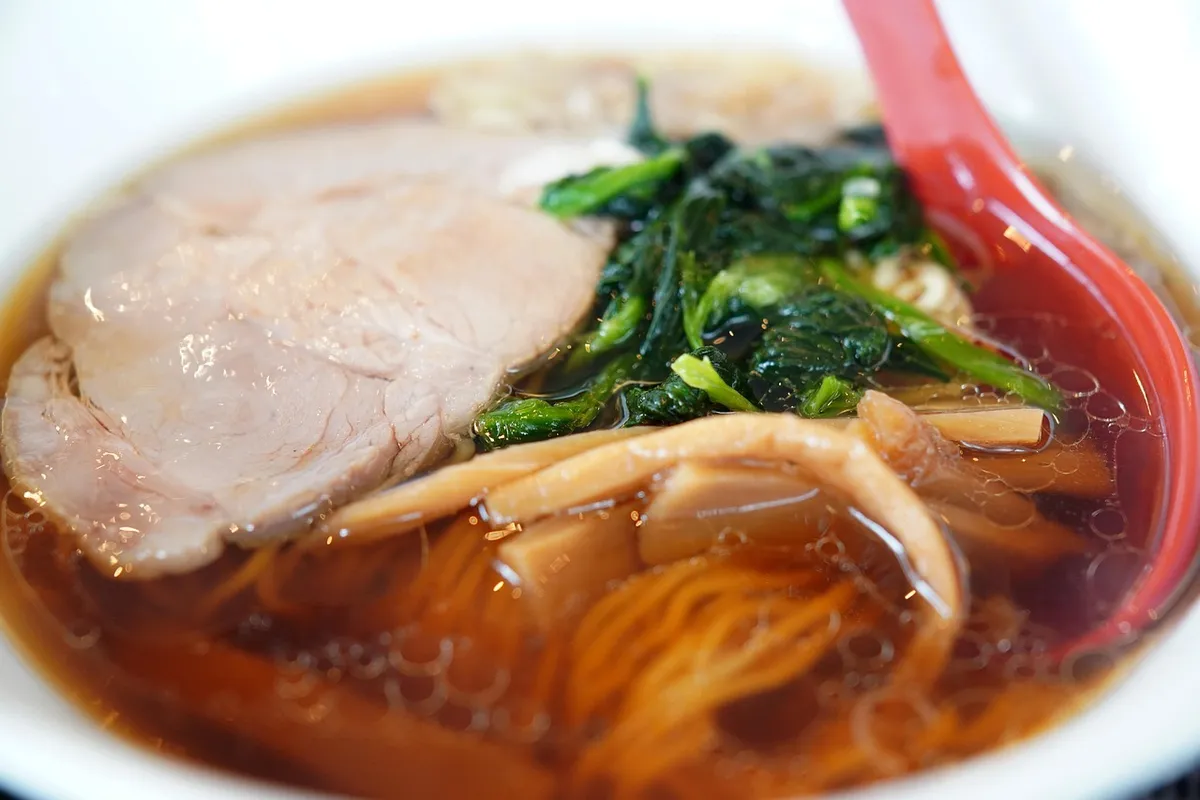
Mise en place means having your knives sharpened, your vegetables chopped, your spices measured, and your pans ready before you start the actual cooking process. This prevents the frantic searching for a spatula while the garlic is burning in the pan.
A clean, organized workspace reduces stress and allows you to focus entirely on the sensory cues of the food.
To set up your own successful cooking environment, follow this routine:
- Clear all unnecessary items from your primary prep area before you begin. 2. Place all your prepped ingredients in small bowls or piles on your cutting board. 3. Keep a "scrap bowl" on the counter to collect peels and scraps, keeping your workspace clean as you go.
This discipline turns a chaotic kitchen into a streamlined production line.
This order does not hold, however, when the figure is not 89%.
- "A sharp knife is not a weapon; it is an extension of your hand that dictates the rhythm of your kitchen."
- Mastering the fundamentals of knife skills and heat control will transform you from a clumsy novice into a confident cook who can handle any recipe with ease.
- This guide covers essential cutting techniques, temperature management, and the basic mechanics of heat to ensure your meals never turn out uneven or burnt again.
Related

Comments 0