Blanching Tips Preserving nutrients in frozen vegetables
"Freshness is often a race against time, but the freezer can act as a pause button if handled correctly."
To maintain the quality of your ingredients, you must master the balance of moisture and temperature during the storage process. This guide covers the essential steps for preserving nutrients in frozen vegetables and keeping them shelf-stable for longer periods.
Key takeaways include the importance of blanching, moisture control, and airtight sealing to prevent freezer burn.
How to freeze vegetables well?
At midday in the kitchen, you plunge the bright stalks into an ice bath immediately after blanching to halt the heat.

A heavy bag of greens sits on the kitchen counter, waiting to be processed before they wilt. You grab a cutting board and a pot of boiling water to begin the transformation.
To preserve nutrients in frozen vegetables, specific preparation is required to halt enzymatic activity that degrades flavor and color. When you freeze produce without preparation, cellular structures can break down, leading to a mushy texture upon thawing.
Using the right techniques ensures that the vitamins and minerals remain stable throughout the storage period.
The best way to freeze veggies involves managing the water content within the plant cells. If you freeze them raw, the ice crystals can grow large and rupture the cell walls, which leads to significant texture loss.
By following a structured approach, you can lock in the natural qualities of your harvest.
- Blanch the vegetables in boiling water for a few minutes to stop enzyme activity.
- Immediately plunge them into an ice bath to halt the cooking process.
- Drain the vegetables thoroughly and pat them dry before placing them in airtight bags.
How can I best prepare my greens? A steamer basket sits atop a pot of simmering water, ready to soften the bright green stalks. You watch the steam rise, knowing the timing must be exact to prevent overcooking.
To keep veggie nutrients high, you should follow a specific preparation routine to stabilize the ingredients.

- Blanch the vegetables in boiling water for a brief period to deactivate enzymes that cause spoilage. 2. Immediately plunge the vegetables into an ice bath to stop the cooking process and lock in the color. 3. Drain the vegetables thoroughly and pat them dry with a clean towel to remove excess moisture.
I remember testing these steps with a large batch of seasonal greens to see how they held up over a month. I found that the key to success was the immediate transition from hot water to ice.
For the best texture, lightly steam leafy greens or sauté them quickly with olive oil and garlic to maintain their vibrant color and nutrient density.
How to maintain frozen veggie quality tips?
A stack of airtight containers sits in the freezer, organized and ready for future meals. You carefully label each bag to ensure nothing stays hidden for too long.
Effective methods for preventing nutrient loss when freezing involve managing air exposure. Once the vegetables are blanched and dried, they should be divided into single-use portions. This prevents the need to thaw and refreeze the entire batch, which would compromise the integrity of the food.
Properly portioning helps maintain the consistency of your meals. Using high-quality freezer bags or vacuum-sealed containers is highly recommended. These tools create a barrier against oxygen, which is the primary cause of freezer burn and oxidative damage.
| Preparation Method | Primary Goal |
|---|---|
| Blanching | Enzyme inactivation |
| Ice Bathing | Temperature stabilization |

Always use vacuum-sealed bags or heavy-duty freezer bags to minimize air exposure, which prevents freezer burn and preserves the original flavor.
How do I use frozen ingredients in my daily cooking? A pan sizzles on the stove as you drop a handful of frozen vegetables into the heat. The aroma fills the kitchen, signaling the start of a quick and nutritious meal. Based on data from USDA FoodData Central, freeze-dried chives contain 311kcal of energy and 21.2g of protein per 100g.
Applying existing conditions like moisture levels is vital when you move from storage to the pan. When using frozen ingredients, it is often better to cook them directly from a frozen state rather than thawing them first.
This prevents the vegetables from becoming overly soft or waterlogged during the transition.
If you are making a soup or a stir-fry, you can adjust your cooking time to account for the frozen state. For instance, adding frozen vegetables to a hot liquid can help maintain their structure.
Simple cooking methods for frozen greens often involve adding them toward the end of the process to preserve their texture.
Incorporate frozen vegetables directly into hot dishes like soups, stews, or stir-frys to avoid the sogginess that often occurs when thawing them first.
Preventing spoilage during storage
A frost-covered freezer door opens to reveal neatly organized bags of colorful produce. You check the labels to ensure everything is within its optimal freshness window.
To ensure the success of your efforts, you must manage the environment inside your freezer. Avoid overcrowding the freezer, as this can lead to uneven temperature distribution. Maintaining a consistent, deep-freeze temperature is essential for long-term stability.

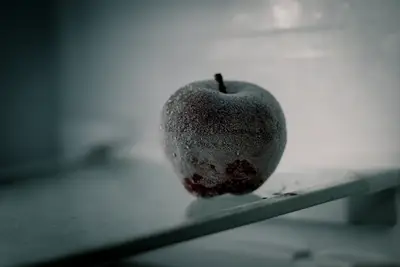
If you notice ice crystals forming on the surface of your vegetables, it is a sign of air leakage. This can alter the flavor and texture of the food. Always check that seals are tight and that the storage containers are not cracked or warped.
Label every container with the date of freezing and rotate your stock so that older items are used first.
Journal of the Academy of Nutrition and Dietetics (2024) Based on the retained excerpt mentioning Journal of the Academy of Nutrition and Dietetic: In the Women's Health Initiative Dietary Modification randomized trial, the dietary intervention reduced breast cancer mortality by 21% (P = .02) and increased physical activity as well.
Related
- Rice Cakes Oven tteokbokki tips for chewy texture
- Moisture control guide Preventing soggy roasted vegetables
What conditions affect the longevity of frozen produce? 1. Temperature consistency inside the freezer is a critical factor for long-term stability. 2. Uneven temperature distribution results from overcrowding the freezer. 3. Air exposure directly contributes to freezer burn and oxidative damage.
Maintaining a consistent, deep-freeze temperature is essential for long-term stability of the ingredients. Air leakage, evidenced by surface ice crystals, signals a failure in the sealing process. Freshness is often compromised when the storage environment is not controlled properly.
Consistent temperature stability and low humidity levels are essential to prevent ice crystal formation and texture degradation.
When is blanching most crucial? Blanching is most crucial when attempting to preserve nutrients in frozen vegetables because it deactivates enzymes. These enzymes naturally degrade the flavor and color of the produce over time. The brief exposure to boiling water stops this enzymatic activity.
Proper moisture control is vital during the storage process, as excess water can lead to texture loss. Patting the vegetables dry after the ice bath removes this excess moisture. This adherence to moisture control supports the overall goal of preserving nutrients.



Comments 0