Temperature control: Basic cooking principles guide
"The difference between a culinary disaster and a successful meal often rests on the science of heat and temperature management."
Mastering basic cooking principles requires an understanding of temperature control, food safety, and proper heat application to ensure both flavor and safety.
This guide covers essential temperature ranges, how to handle specific ingredients like beans, and how to manage heat to avoid harmful compounds.
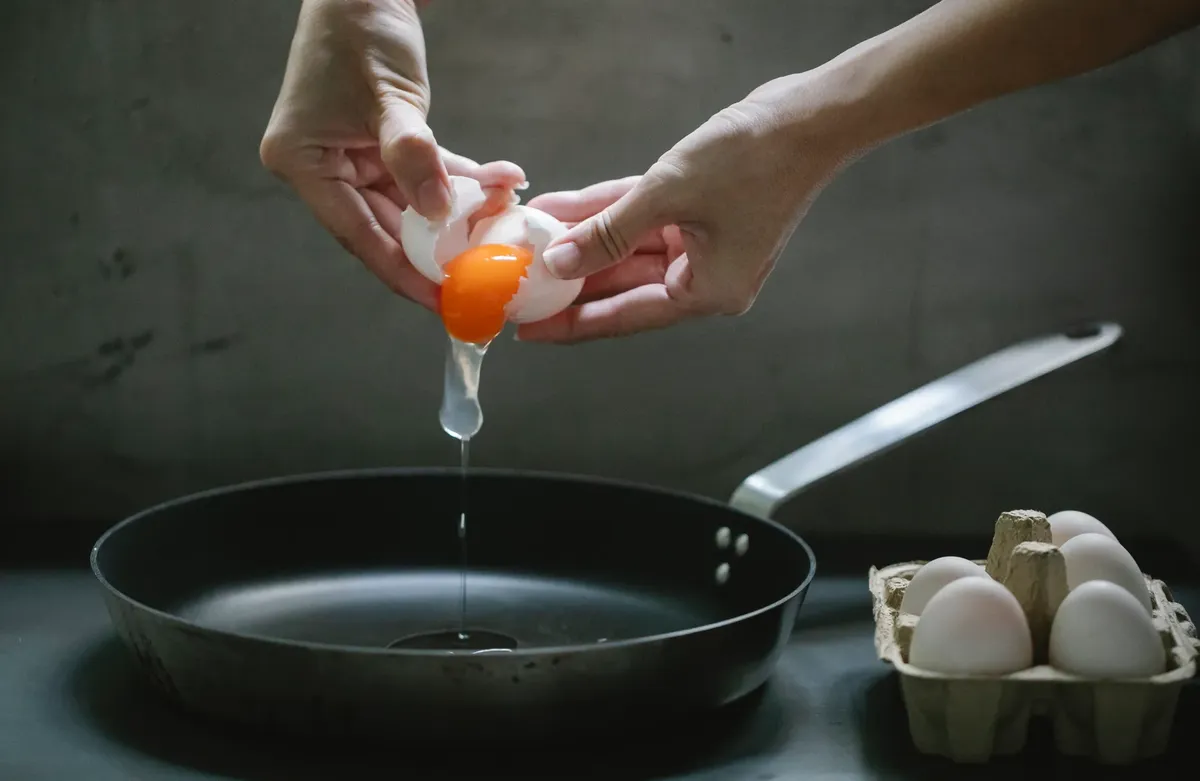
Key takeaways include managing the "danger zone" for bacteria, understanding the inactivation of toxins through boiling, and using moderate heat to reduce chemical risks.
How can temperature control prevent food spoilage?
In the dim kitchen, a chef shivers as they plunge a probe into the cold meat to maintain a safe temperature.
A chef stands over a steaming pot, checking the thermometer to ensure the kitchen remains safe. Food spoilage bacteria proliferate in the "danger zone" temperature range from 40 to 140 °F (4 to 60 °C); therefore, food should not be stored in this temperature range.
Maintaining strict control over these levels is a cornerstone of basic cooking principles.
Keeping ingredients out of the danger zone prevents the rapid growth of bacteria that can ruin a meal. When working with leftovers or preparing large batches, moving food quickly through the 40 to 140 °F range is vital.
This temperature management is one of the most effective ways to avoid cooking failure when preparing meals for a group.
Why is heat necessary for certain ingredients?
A cook carefully monitors a pot of simmering beans, knowing that heat is a chemical tool.
For example, raw cereal grains are hard to digest, while kidney beans are toxic when raw or improperly cooked due to the presence of phytohaemagglutinin, which is inactivated by cooking for at least ten minutes at 100 °C (212 °F).
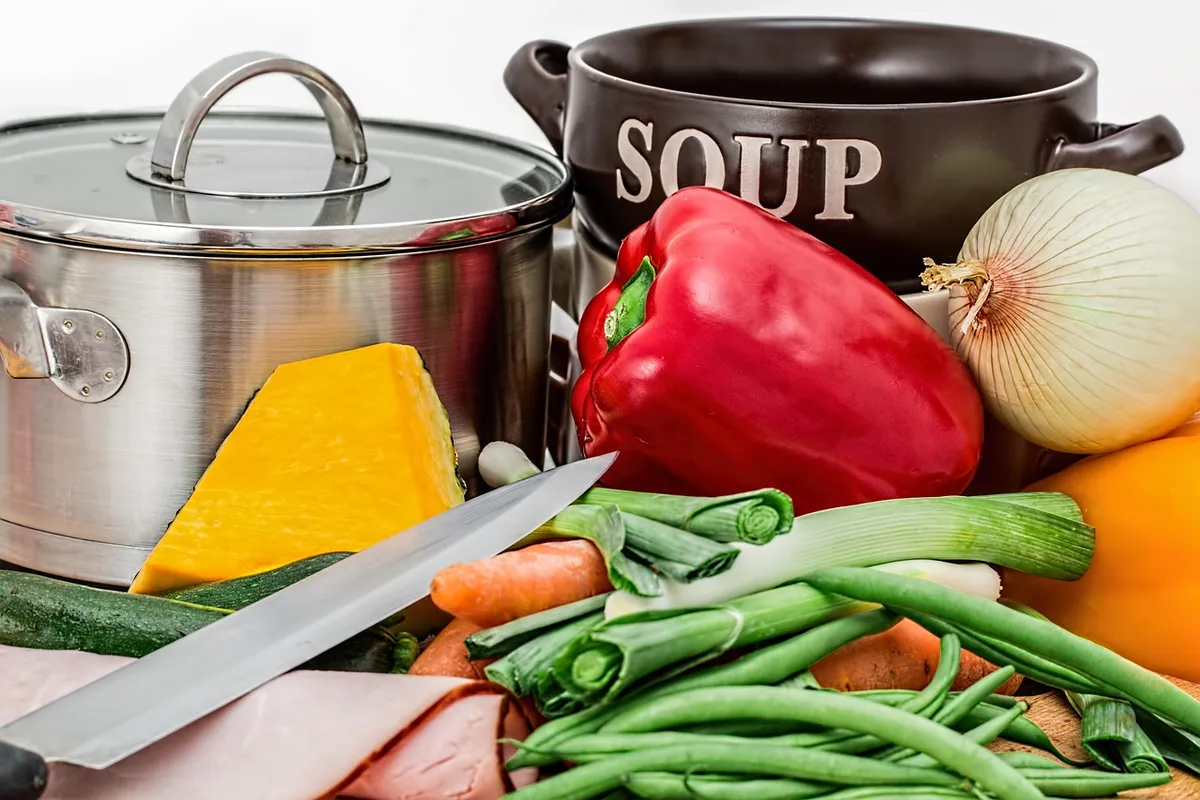
Mastering cooking basics involves knowing which foods require specific heat treatments to become safe.
The presence of phytohaemagglutinin in certain legumes necessitates thorough cooking to ensure they are safe for consumption. By boiling these beans for at least ten minutes at 100 °C (212 °F), the toxin is neutralized. This step is an essential cooking rule when handling legumes to prevent illness.
How can meat be cooked safely without high heat?
A person prepares a steak, considering the balance between texture and chemical formation. While avoiding meat or eating meat raw may be the only ways to avoid HCA's in meat fully, the National Cancer Institute states that cooking meat below 212 °F (100 °C) creates "negligible amounts" of HCA's.
Understanding these thermal limits is part of a beginner cooking tips strategy for health-conscious individuals.
Using lower temperatures can help manage the formation of heterocyclic amines (HCAs). When meat is cooked at temperatures below the boiling point of water, the risk of creating significant amounts of these compounds is minimized.
This technique is a helpful part of a cooking fundamentals guide for those looking to balance flavor with safety.
What are the steps for safe meat preparation?
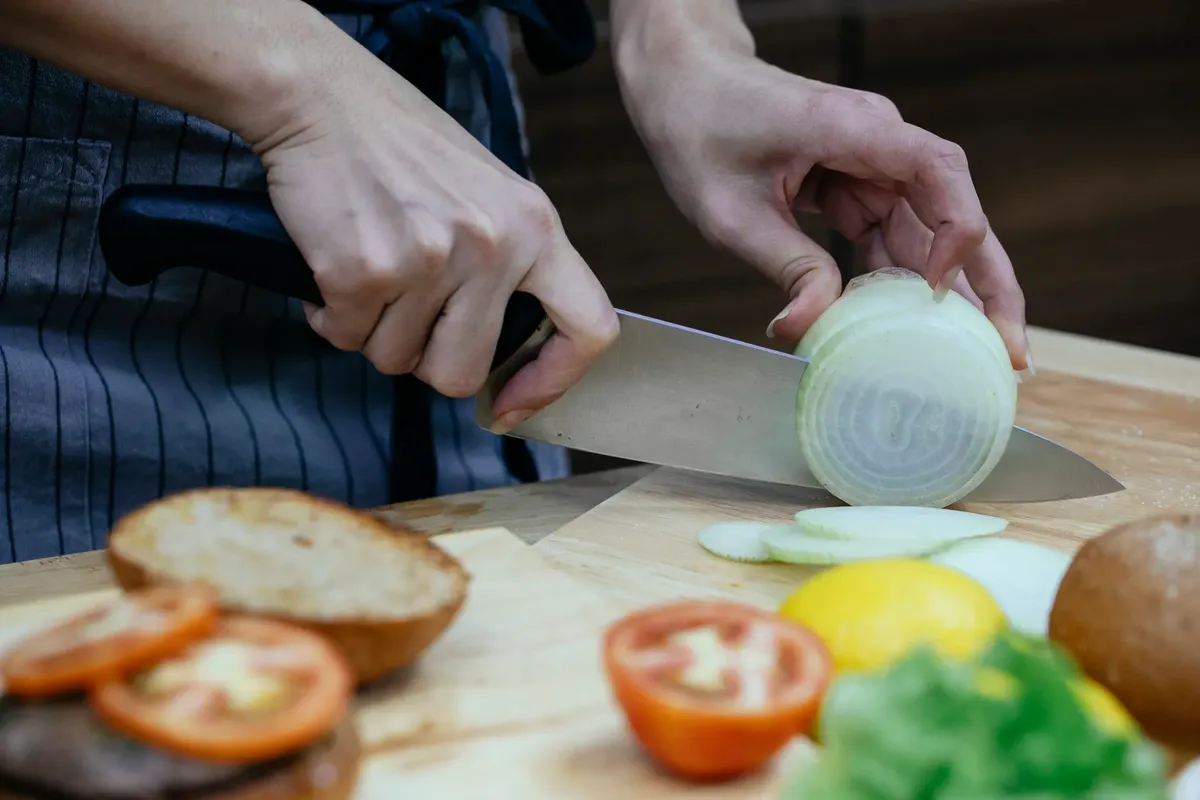
A kitchen worker prepares meat for the stovetop, focusing on the preparation process. To manage the risk of harmful compounds, follow these three steps:
- Monitor the internal temperature to ensure it does not exceed unsafe levels. 2. Consider pre-treatment methods, such as microwaving meat, to reduce the time needed for high-heat cooking. 3. Ensure all meat is cooked thoroughly to eliminate pathogens.
I once tried reducing high-heat exposure by prepping meat in a microwave first, which is a method to reduce the time needed for the meat to be cooked at high heat. This approach can help manage the transition to the pan.
Following these steps is a way to master cooking basics while maintaining food quality.
How do heating methods affect chemical formation?
A person watches the meat sizzle in a pan, noting the color change. Microwaving meat before cooking may reduce HCAs by 90% by reducing the time needed for the meat to be cooked at high heat. This specific method offers a way to navigate the complexities of heat application.
Reducing the duration of high-heat exposure can significantly impact the chemical makeup of the food. By using the microwave to partially cook the meat first, the intense heat required in the pan is less necessary.
This is a useful way to avoid cooking failure when trying to achieve specific textures.
How does diet relate to long-term health?
A family sits around a dinner table, discussing the importance of what they eat. Studies suggest that around 32% of cancer deaths may be avoidable by changes to the diet. While cooking techniques are vital, the composition of the food itself remains a primary concern for health.
Healthy cooking starts with selecting nutrient-dense ingredients. While techniques like boiling and temperature control are essential, the overall dietary pattern is what influences long-term outcomes.
Integrating these techniques into a healthy lifestyle is a key part of a cooking fundamentals guide.
Related
- Easy frozen food recipes: How to manage 40 to 140 °F zone
- Heat control guide: Basic cooking skills guide for safety
What is the difference between boiling and simmering? 1. Boiling involves rapid, vigorous movement of water, which is a high-heat application. 2. Simmering involves gentle heat application, where small bubbles form slowly on the surface of the liquid. 3. The difference between these two methods relates to the intensity of heat transfer to the food. 4. Gentle simmering is often preferred when the goal is to maintain delicate flavors during the cooking process.
What is the difference between high and low heat application? 1. The difference between high and low heat application lies in the rate of energy transfer to the food. 2. High heat application, such as boiling, promotes rapid changes in texture and flavor. 3. Low heat application, like simmering, allows for a more gradual chemical transformation. 4. Choosing the appropriate heat setting determines the final quality of the dish, affecting the difference in outcome.
How does heat affect toxin inactivation? 1. The difference in how heat affects toxins depends on the specific toxin and the required temperature. 2. For phytohaemagglutinin in beans, a sustained temperature of 100 °C (212 °F) for a set duration achieves inactivation. 3. Boiling provides a high-heat environment that facilitates this necessary chemical change. 4. This comparison shows that the intensity of the heat dictates the effectiveness of the safety procedure.
When comparing cooking methods, the difference in temperature directly impacts the risk profile of the meal. Maintaining a consistent temperature ensures that the intended chemical reactions, whether for flavor development or pathogen destruction, occur as planned.
This careful consideration of thermal dynamics is crucial for any cook.
The difference between preparing meat quickly versus slowly relates to the formation of heterocyclic amines. Lower temperatures minimize the conditions necessary for these compounds to form, even if the overall cooking time is extended slightly.
This trade-off between speed and chemical safety is a key consideration.
Proper temperature management provides the difference between a safe meal and a hazardous one. Adhering to the danger zone guidelines prevents bacterial proliferation, which is a direct result of temperature mismanagement. This adherence forms the basis of safe food handling practices.
Wikipedia: Cooking Based on the retained excerpt mentioning National Cancer Institute: While avoiding meat or eating meat raw may be the only ways to avoid HCA's in meat fully, the National Cancer Institute states that cooking meat below 212 °F (100 °C) creates "negligible amounts" of HCA's.


Comments 0