Evenly cooked oven tteokbokki guide for perfect bake
"The secret to a perfect bake lies in the heat distribution and the arrangement of the ingredients within the pan."
To achieve evenly cooked oven tteokbokki, you must ensure the rice cakes are not crowded and are tossed thoroughly in the sauce before entering the heat. This guide covers preparation, heat management, and texture control to prevent sticking or unevenly soft centers.
Key takeaways include proper sauce coating, single-layer arrangement, and consistent oven temperature.
How to achieve evenly cooked oven tteokbokki?
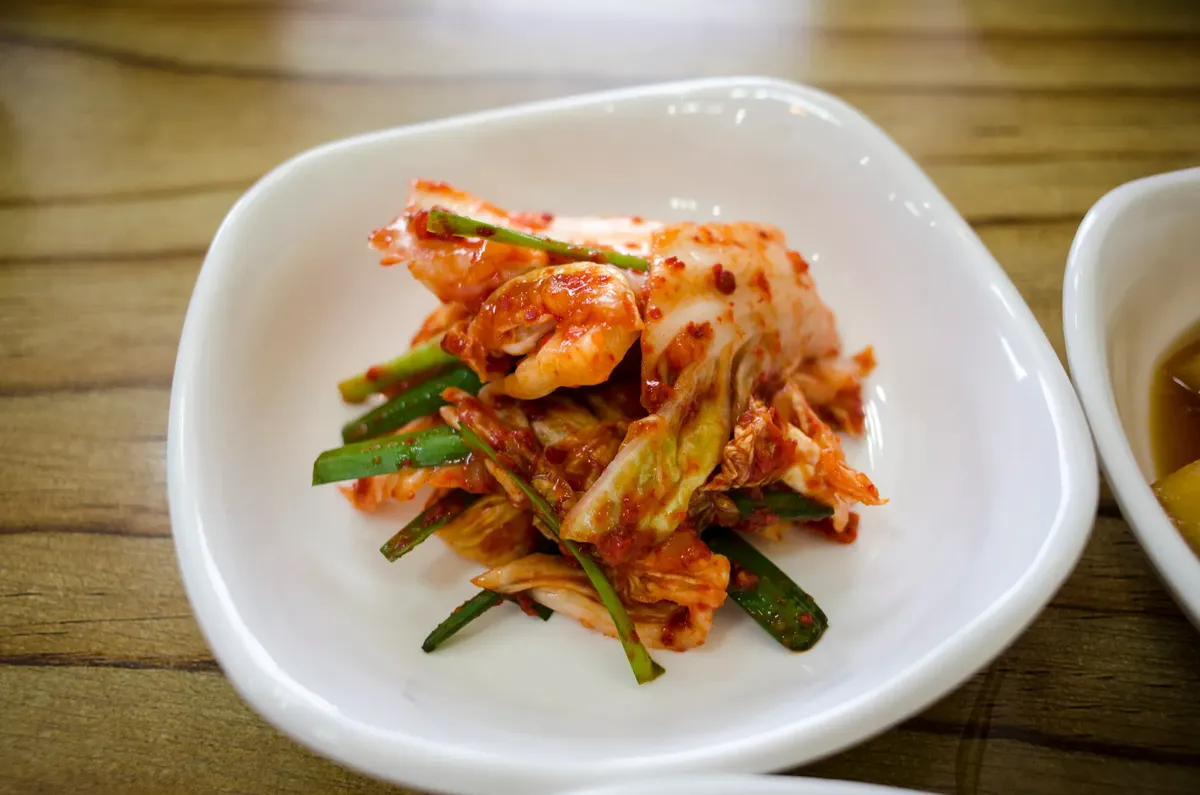
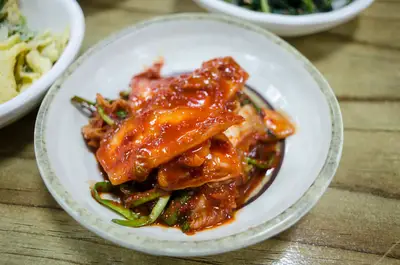
A tray of rice cakes sits on the counter, waiting to be coated in a thick, vibrant red sauce. Achieving evenly cooked oven tteokbokki requires every piece to be separated slightly to allow hot air to circulate around the edges.
If the cakes are piled too high, the centers remain doughy while the outsides burn.
To prevent this, toss the rice cakes in the sauce until every surface is slick and well-coated. Spreading them in a single layer across the baking dish ensures the heat hits all sides simultaneously. This method guarantees that the chewy texture is consistent throughout the entire batch.
To ensure even cooking, spread the rice cakes in a single layer and avoid overcrowding the baking dish.
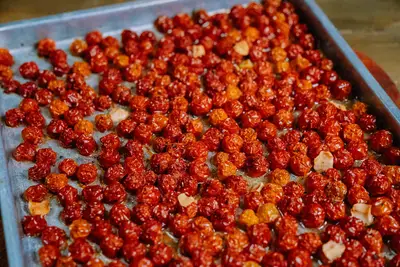
How can I make the best oven tteokbokki? At sunset in the warm kitchen, I slide the tray into the heat and watch the oil coat the rice cakes evenly.
The oven door opens, releasing a puff of warm air as the tray is slid into the preheated slot. Using specific oven tteokbokki tips like preheating the tray can help sear the bottom of the rice cakes immediately.
This prevents them from sticking to the ceramic or metal surface during the cooking process.
It is also helpful to use a heavy-duty baking dish that retains heat well. If you use a thin tray, the temperature may drop too quickly when you place the cold ingredients inside. Maintaining a stable environment is vital for consistent results.
For the best results, toss the rice cakes in oil before baking to prevent them from sticking to the pan or becoming too hard.
How do I bake the perfect tteokbokki? A timer ticks on the kitchen wall while the red sauce bubbles gently in the oven. For perfect tteokbokki baking, you should follow a structured sequence of preparation and heat application. This ensures the starch in the rice cakes hydrates correctly without turning into a mushy mess.
- Coat the rice cakes in the sauce and any additional toppings to ensure even flavor distribution. 2. Arrange the coated cakes in a flat, single layer in a prepared baking dish. 3. Bake at a medium-high temperature, checking halfway through to ensure no pieces are overlapping.
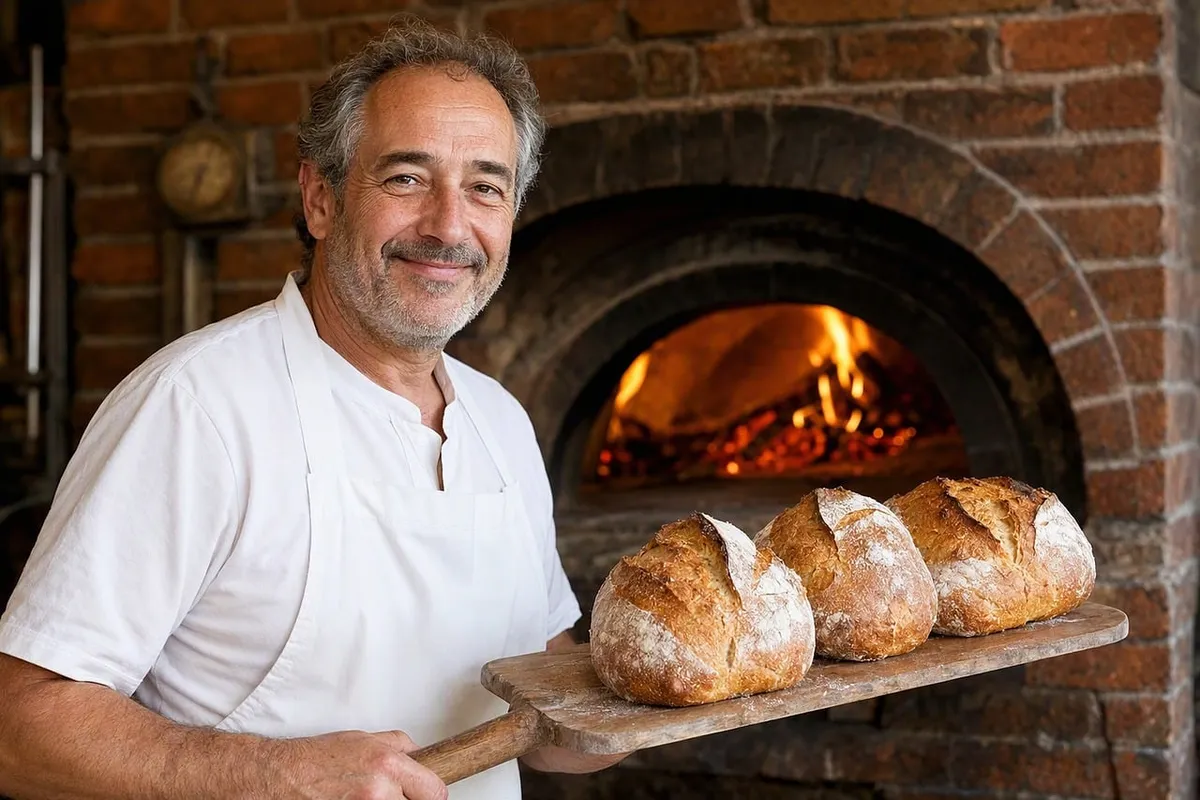
I found that checking the tray halfway through the process helps me identify if any pieces are sticking together too much.
- Preheat your oven to the temperature specified in your recipe.
- Coat the rice cakes thoroughly with sauce and oil.
- Bake in the center of the oven rack until the sauce bubbles and the cakes are tender.
How to bake tteokbokki well?
The aroma of toasted rice and spicy seasoning fills the kitchen as the tray is pulled out. When learning how to bake tteokbokki well, managing the moisture content of the sauce is just as important as the heat.
Too much liquid can lead to a soup-like consistency, while too little can result in hard, dry cakes.
Ensure the sauce is thick enough to cling to the rice cakes without being runny. If the sauce is too thin, it will pool at the bottom and prevent the tops from getting that slightly chewy, roasted texture. A balanced sauce acts as a heat conductor for the doughy centers.
Monitor the texture closely and use a spatula to gently toss the ingredients halfway through the baking time.
Troubleshooting oven tteokbokki cooking technique
A spatula gently moves a piece of rice cake that has become slightly too firm. If you encounter issues, understanding the oven tteokbokki cooking technique can save the meal. If the cakes are too hard, they likely needed more moisture or a lower temperature for a longer duration.
If the cakes are too soft or falling apart, the oven temperature was likely too low, or they were cooked for too long in a wet environment. Adjusting the heat or the amount of sauce in subsequent attempts will help you master the texture.
If the rice cakes become too chewy or hard, add a tablespoon of water or broth to the dish and cover it with foil to restore moisture.
Quick oven tteokbokki prep
A chef quickly slices vegetables and prepares the sauce while the oven reaches temperature. For those needing a fast meal, quick oven tteokbokki prep involves using pre-cooked or softened rice cakes to reduce bake time. This allows for a faster transition from preparation to eating.
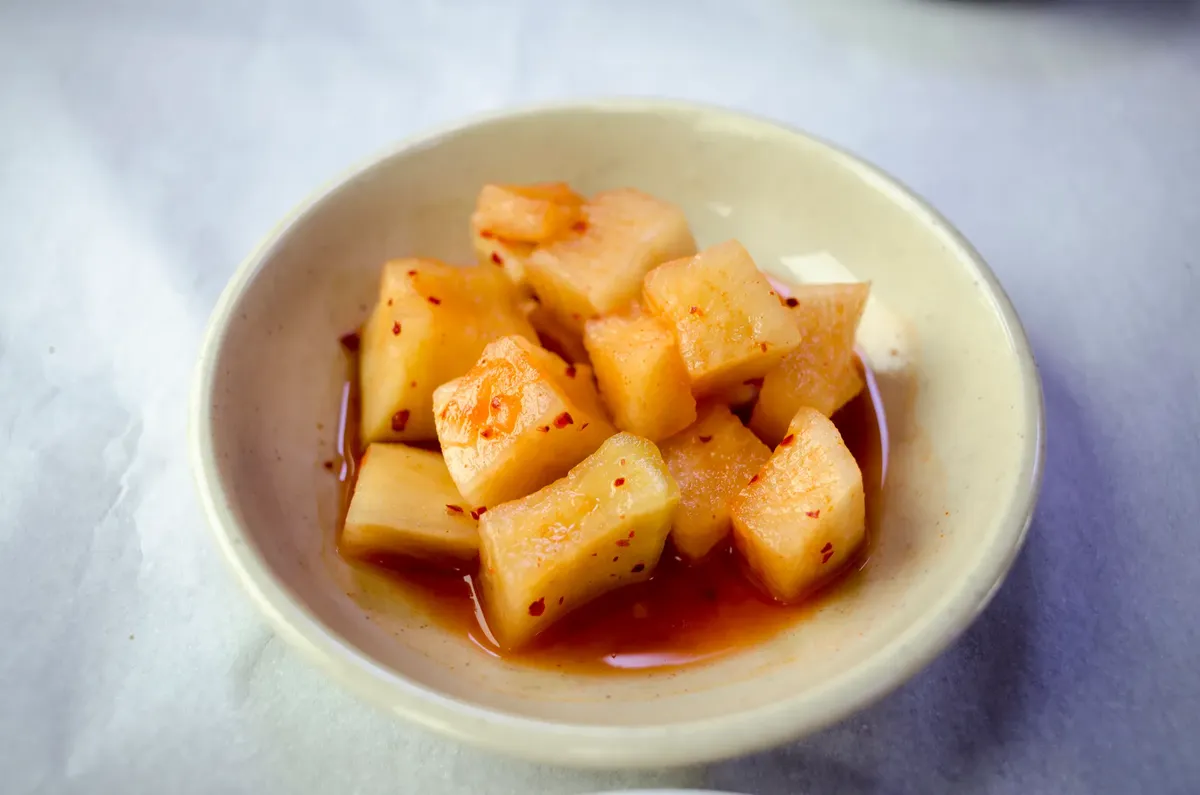
For a nutritious addition to your prep, you can incorporate chicken breast, roll, oven-roasted, which contains 14.6g of protein per 100g according to USDA FoodData Central.
| Feature | Standard Method | Quick Method |
|---|---|---|
| Arrangement | Single layer | Slightly layered |
| Texture Goal | Firm and chewy | Soft and tender |
I prefer the single layer method to ensure the most consistent bite.
For a fast meal, use pre-cooked or softened rice cakes to significantly reduce the required baking time.
The same subject is also called Basic oven tteokbokki recipe.
This part also covers Troubleshooting tteokbokki baking.
Related
- Oven black goat tteokbokki why use meat with skin
- Easy kids food recipes: Why use versatile corn grits
When is the secret to a perfect bake revealed? The secret to a perfect bake is revealed when the heat distribution allows every piece of rice cake to cook uniformly. Achieving this uniformity relies on the arrangement of the ingredients within the pan, ensuring no sections are shielded from the oven's warmth. This careful placement prevents localized overcooking or undercooking.
This consistent heat application is crucial for developing the desired chewy texture mentioned in the guide. If the arrangement is poor, the goal of a perfect bake becomes unattainable, regardless of the sauce quality.
What conditions affect the perfect texture? The texture of the tteokbokki is significantly affected by the moisture content of the sauce and the initial state of the rice cakes. A sauce that is too thin will pool, inhibiting the development of a roasted texture on the top surface. Conversely, too much liquid can lead to a consistency resembling soup.
Furthermore, the initial separation of the rice cakes is a condition that must be met before baking commences. If the cakes are crowded, the steam trapped between them prevents proper drying and consistent cooking.
Proper sauce coating, a key takeaway, acts as a heat conductor, helping to ensure the doughy centers reach the correct state. This coating facilitates the transfer of heat from the surrounding air to the interior of the cake.


Comments 0