Steak Cooking Tips: Hit 135°F for Perfect Medium-Rare
Achieving a restaurant-quality steak at home isn't about luck; it's about mastering the science of heat and moisture.
To cook a perfect steak, you must maximize the Maillard reaction through intense searing and use a digital probe thermometer to hit precise internal temperatures. The secret to juicy meat lies in two overlooked steps: thorough surface drying before cooking and a mandatory resting period after the pan comes off the heat.
* Master the Maillard Reaction: Eliminate surface moisture to create a deep, flavorful brown crust. * Precision Temperature Control: Use a thermometer to hit your target (e.g., 130°F–135°F for medium-rare) rather than relying on touch. * The Power of Resting: Allow juices to redistribute by letting the meat sit for 5–10 minutes post-cook. * Smart Cut Selection: Match your cooking method to the fat content and muscle structure of the specific cut.
Why Does My Steak Always Turn Out Gray or Tough?
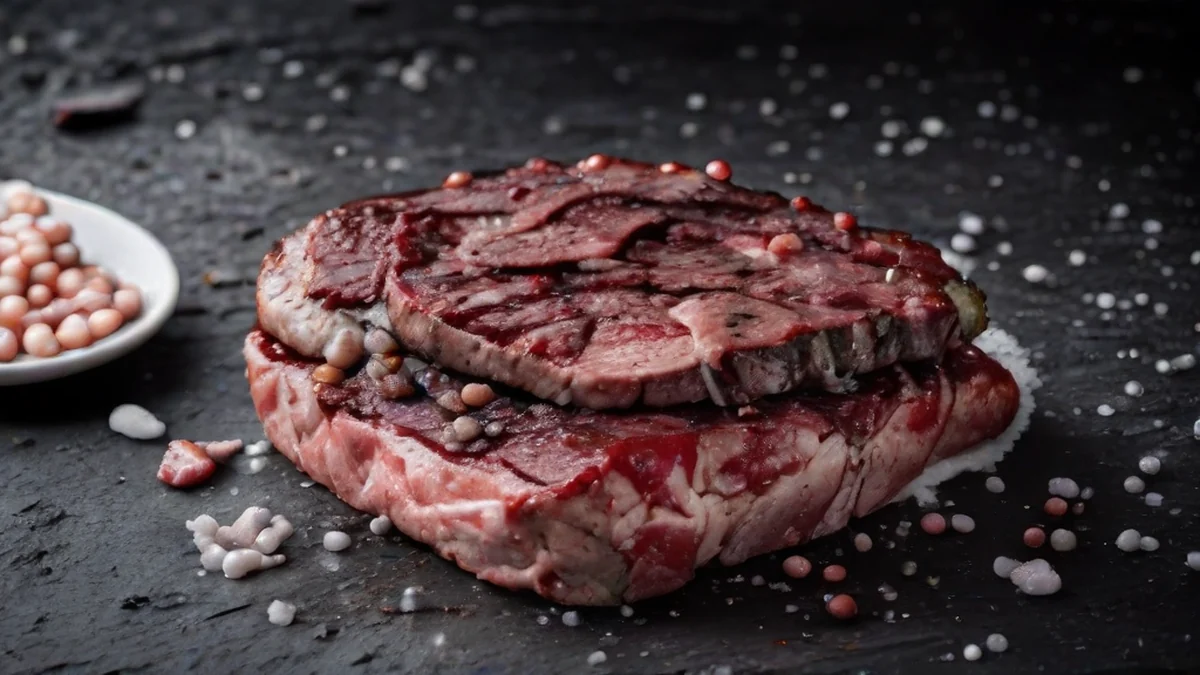
Most home cooks fail because they overlook two critical factors: pan temperature and surface moisture. If you drop a steak into a lukewarm pan or one that is wet, the temperature plummets. Instead of searing, your meat essentially boils in its own juices, resulting in a gray, unappetizing exterior.
According to the USDA's 2025 food safety guidelines, managing internal temperatures is vital for preventing foodborne illness, but achieving culinary excellence requires going beyond mere safety to control texture and flavor.
I learned this the hard way last week while attempting a 16oz New York Strip. Even though I patted it dry with paper towels three times, my pan wasn't preheated enough. Instead of that beautiful mahogany crust, the meat turned a dull, grayish-brown. It was a stark reminder that moisture and heat are your greatest enemies during the initial sear.
The science behind that perfect crust is the Maillard reaction—a chemical dance between amino acids and reducing sugars that occurs between 260°F and 330°F. To trigger this, your pan needs to be screaming hot, often just starting to show a faint wisps of smoke.
Choosing the Right Cut and Understanding Aging
Your success starts at the butcher counter. The cut you choose dictates how much heat you can apply without ruining the texture.
| Cut | Characteristics | Ideal Doneness | Best Cooking Method |
|---|---|---|---|
| Ribeye | High fat/marbling, intense flavor | Medium to Medium-Well | Hard sear + butter basting |
| Filet Mignon | Lean, extremely tender | Rare to Medium-Rare | Low & slow or Sous Vide |
| New York Strip | Balanced fat and beefy flavor | Medium-Rare | Pan-searing |
| Flat Iron | Unique texture, very tender | Medium | High heat to soften connective tissue |
Aging also plays a massive role in flavor depth. A 2025 report from the International Meat Institute highlights that dry-aging concentrates flavors by evaporating moisture and allowing natural enzymes to tenderize the protein.
While fresh wet-aged beef is great for everyday meals, if you are hosting a high-end dinner party, investing in a dry-aged steak provides a much more complex, nutty profile. Trends in 2026 show that American consumers are increasingly moving toward specialty aged meats for home gourmet experiences.
The Step-by-Step Scientific Approach to Searing
Follow these five steps to ensure professional results every single time:
- Temper and Dry: Take your steak out of the fridge at least 30 minutes before cooking to bring it closer to room temperature. This prevents a "cold center." Then, pat it bone-dry with paper towels.
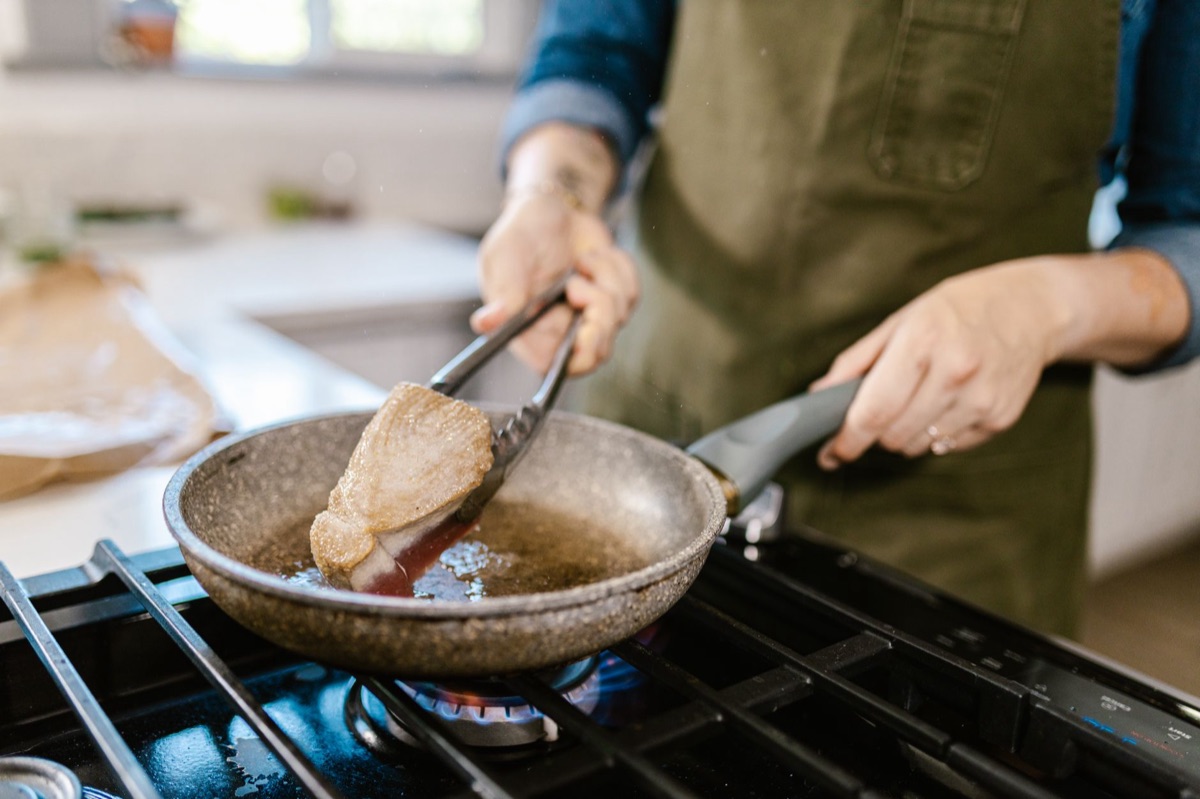
- The High-Heat Sear: Use a cast-iron skillet if possible. Heat it until it's very hot, then add an oil with a high smoke point (like avocado or grapeseed oil). You want an immediate, aggressive sizzle.
- Arrosé (Butter Basting): Once flipped, toss in a knob of butter, smashed garlic cloves, and fresh thyme or rosemary. Tilt the pan and continuously spoon that flavored fat over the steak.
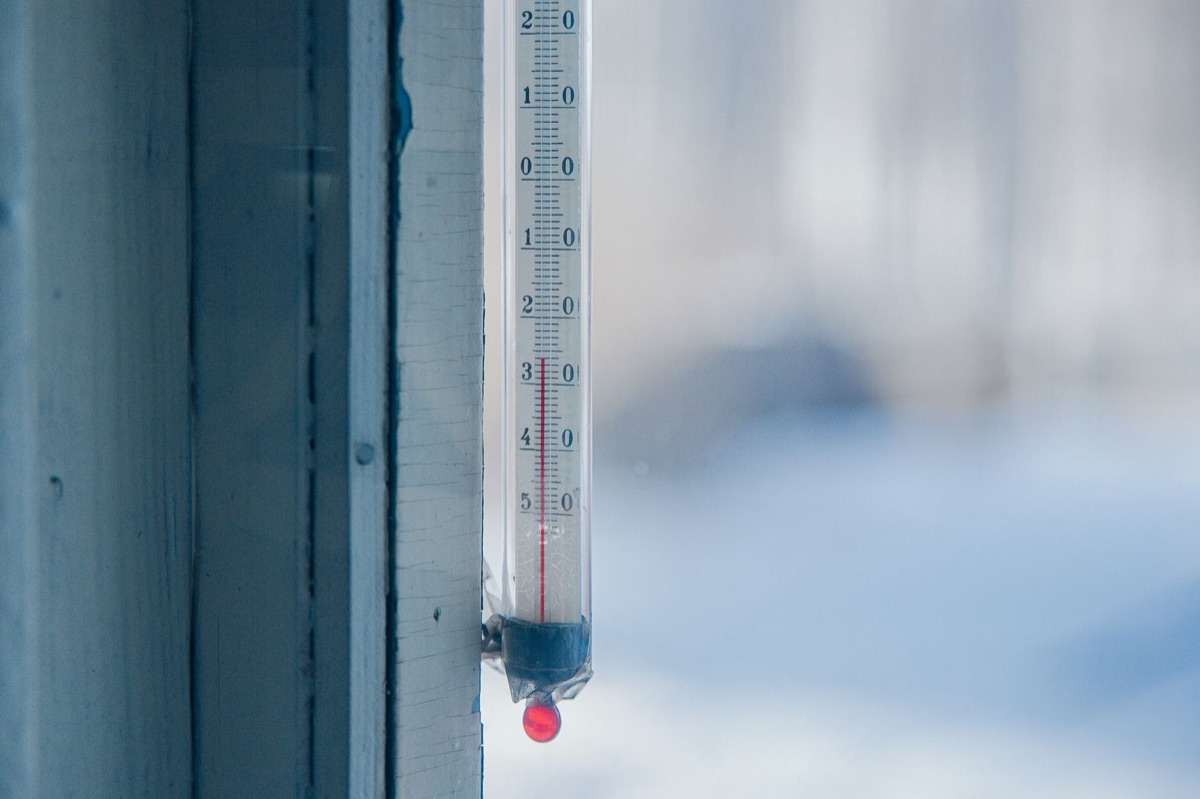
- Target Temperature: Don't guess. Insert a digital probe thermometer into the thickest part of the meat. Pull the steak off the heat when it is 5°F *below* your target temperature, as carryover cooking will finish the job.
- The Rest: This is non-negotiable. Place the steak on a warm plate or a wire rack for 5 to 10 minutes. This allows the muscle fibers to relax and reabsorb the juices.
Target Internal Temperature Guide
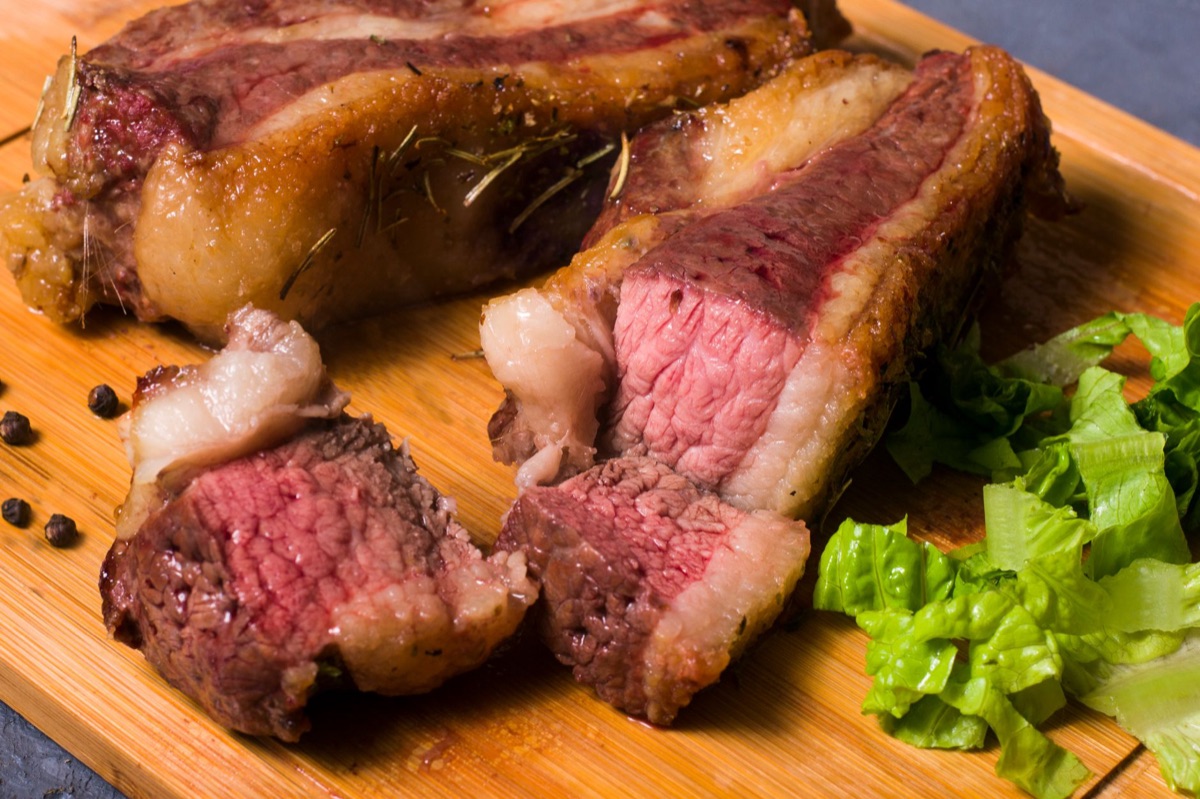
Don't let "medium" be a guessing game. Use these temperature benchmarks (measured at the moment you remove the meat from the heat) to achieve your desired texture:
* Rare: 120°F–125°F (Cool, red center) * Medium-Rare: 130°F–135°F (The gold standard; warm, red center) * Medium: 140°F–145°F (Warm, pink center) * Medium-Well: 150°F–155°F (Slightly pink, mostly firm) * Well Done: 160°F+ (Fully cooked, brown throughout)
However, keep in mind that thickness matters. A thin steak can go from medium-rare to well-done in a matter of seconds, so stay vigilant with your thermometer.
How to Recover a Failed Steak
Even pros mess up occasionally. Here is how to handle the most common disasters:
Scenario 1: It's Overcooked and Tough If you missed the window and it's well-done, don't throw it away. Slice it very thinly against the grain and serve it in a steak salad with a bright balsamic vinaigrette or chop it up for a high-end beef stew.
Scenario 2: The Outside is Burnt but the Inside is Cold This happens when the pan is too hot or the meat was too cold. Use the "Reverse Sear" method next time, or try placing the steak in a low oven (around 250°F) to gently bring up the internal temperature without further burning the crust.
Scenario 3: Too Much Salt or Burnt Sauce If your pan sauce burns, toss it and start fresh; a bitter sauce ruins the meat. If the steak is too salty, serve it with unsalted butter or alongside fresh, acidic vegetables to balance the palate.



Comments 0