Salt mistakes Fix salty food mistakes using acidity tips
"A recipe that is too salty can feel like a culinary catastrophe, but it is often just a temporary imbalance that can be restored."
If you find yourself facing a dish that is far too salty, you can often fix salty food mistakes by diluting the liquid, adding acidity, or increasing the volume of bulk ingredients.
This guide covers how to balance flavors through dilution, acidity, and starch, while noting that extreme over-salting may require complete reconstruction.

Key takeaways: 1. Dilute high-sodium liquids with water or unsalted broth. * Use acidity like lemon juice or vinegar to mask saltiness. * Incorporate starches or cream to absorb and balance the salt.
How can I fix salty food mistakes in a liquid base?
Late at night in the dim kitchen, I pour unsalted broth into the pot to dilute the excess salt, feeling the steam warm my face.
A chef stands over a simmering pot, tasting a soup that has become unexpectedly sharp and saline. To save the meal, they reach for a carton of unsalted vegetable stock and a bottle of filtered water.
According to USDA FoodData Central, a prepared chocolate glaze with butter contains 132mg of sodium per 100g.
When a liquid-based dish becomes too salty, the most direct way to fix salty food mistakes is through dilution. Adding more unsalted liquid, such as water or a low-sodium broth, increases the total volume, which effectively lowers the concentration of sodium per serving.
If the consistency is too thin, you can thicken the liquid with a cornstarch slurry or a roux after adding the extra volume to maintain the original texture.
If you are working with a sauce that is too concentrated, you might consider a more complex approach. Adding a small amount of heavy cream or coconut milk can coat the palate and mask the saltiness through fat content.
This method works best for creamy soups or savory gravies where the texture allows for extra richness.
How can I use acid to fix too much salt? A cook carefully squeezes a fresh lemon over a heavy stew, watching the bright juice mingle with the dark broth. The sharp scent of citrus fills the kitchen as they prepare to taste the adjustment.
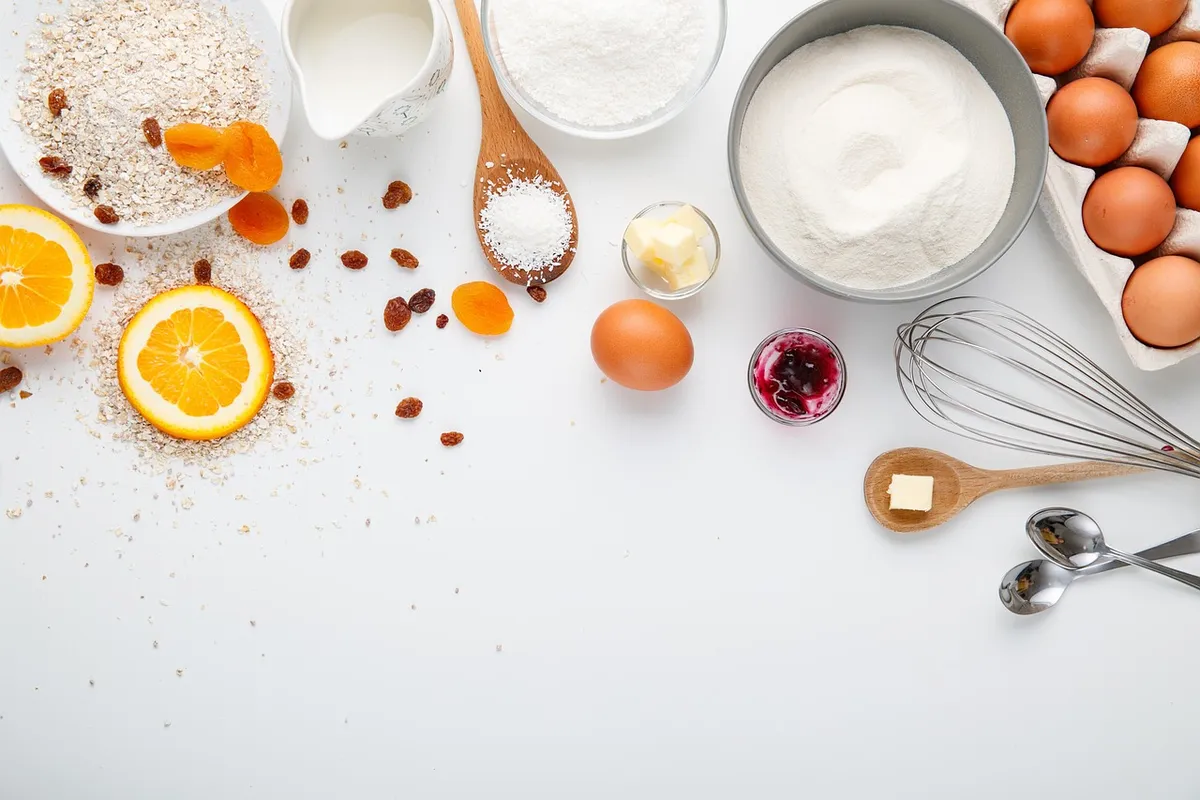
Using acid is a professional technique for those seeking a quick fix for salty meals. Adding an acidic component like lemon juice, lime juice, or vinegar can brighten a dish and distract the taste buds from the heavy salt.
The acidity cuts through the saltiness, providing a different flavor profile that balances the overall palate.
While acid helps, it does not physically remove the sodium from the dish. It only masks the perception of it. This is an amateur cooking salt fix that works well for lighter dishes like salads or light vinaigrettes, but it may not be sufficient for heavy, salt-dense stews.
Can starch help balance out my salty dish? A baker pulls a tray of vegetables from the oven, noticing they are slightly too seasoned, and begins preparing a side of plain rice. They plan to mix the vegetables into the rice to distribute the seasoning more evenly.
Incorporating starches is a common strategy for a salty dish rescue. Adding ingredients like unsalted boiled potatoes, plain rice, or extra pasta can absorb some of the salt while significantly increasing the volume of the meal.
This redistributes the sodium across a larger amount of food, making each bite less intense.
In a professional setting, a culinary mistake recovery guide often suggests adding a "buffer" ingredient. For example, adding more vegetables or grains can stretch the existing seasoning throughout the entire batch. This prevents the salt from being concentrated in a single mouthful.
How do I apply these steps to a heavy meal?

A person sits at a dining table, looking at a large plate of pasta that needs adjustment before it can be served. They prepare to follow a specific sequence to ensure the flavor is balanced without ruining the texture.
When dealing with a heavy or dense meal, follow these three steps to manage the seasoning:
- Increase the volume of the base ingredients, such as adding more vegetables, meat, or grains, to spread the salt. 2. Introduce an acidic element, like vinegar or citrus, to provide a flavor contrast. 3. Add a fat or starch component, such as cream or potatoes, to coat the tongue.
After performing these steps, always perform a final check by tasting a small portion. If the salt is still too dominant, you may need to repeat the process with additional unsalted ingredients or start a new batch.
What are the limitations of these rescue methods?
A cook looks at a small bowl of highly concentrated glaze that has become almost inedible due to over-seasoning. They realize that no amount of water will fix the intense saltiness of such a small volume.
It is important to recognize that these methods have limits. If the salt concentration is extremely high, such as in a highly reduced glaze or a small amount of concentrated stock, dilution may result in a flavorless or watery mess.
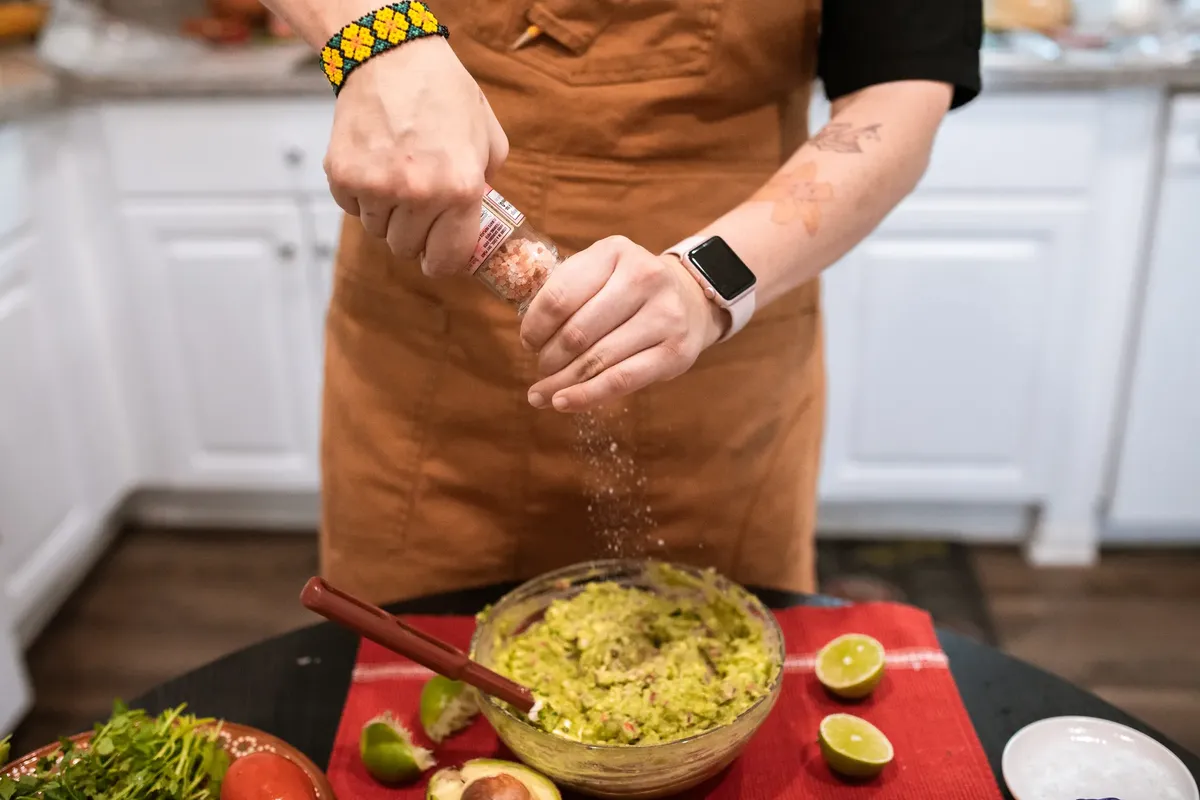
In these specific cases, the only reliable option might be to start the recipe over.
| Method | Primary Mechanism | Best Use Case |
|---|---|---|
| Dilution | Lowering sodium concentration | Soups and broths |
| Acidity | Masking salt with sharp flavor | Light sauces and salads |
I found that adding extra starch was the most effective way to manage the volume when my sauce was too heavy.
- How can I fix salty food mistakes in a liquid base?
- How can I use acid to fix too much salt?
- Can starch help balance out my salty dish?
The same subject is also called Too salty recipe fix.
The same subject is also called Salty dish rescue tips.
The same subject is also called How to fix over salted.
This part also covers Basic cooking salt correction.
Basic cooking salt correction
Related
- Steak cooking guide: Achieve tender results with 135–140°F
- How to achieve perfect pan tteokbokki guide for glossy sauce
When is a salty recipe beyond simple repair? If the salt content in a recipe is so extreme that dilution alone creates a watery mess, then the salty recipe requires a complete overhaul. Extreme over-salting necessitates that the cook abandon the current preparation for a fresh attempt.
This situation arises when the sodium is highly concentrated in a small volume, such as in a glaze. The intensity of the salty flavor overwhelms the ability of simple additions to balance it.







Comments 0