Solo Lunch Prep: 5-Minute Systems for Fresh Daily Meals
"Stop settling for soggy takeout; master the art of the '5-minute prep, 24-hour fresh' solo lunchbox to fuel your productivity."
Packing a lunch shouldn't feel like a second job. To succeed, you need a system that balances nutrition with minimal morning effort.
* The Golden Ratio: Balance complex carbs, lean protein, and fiber to prevent the "afternoon slump." * The 15-Minute Rule: Use "component cooking" to assemble meals in under 5 minutes in the morning. * Texture Preservation: Keep wet ingredients separate from dry bases to avoid "soggy lunch syndrome." * Zero-Waste Efficiency: Use single-ingredient batches to create three different flavor profiles for the week.
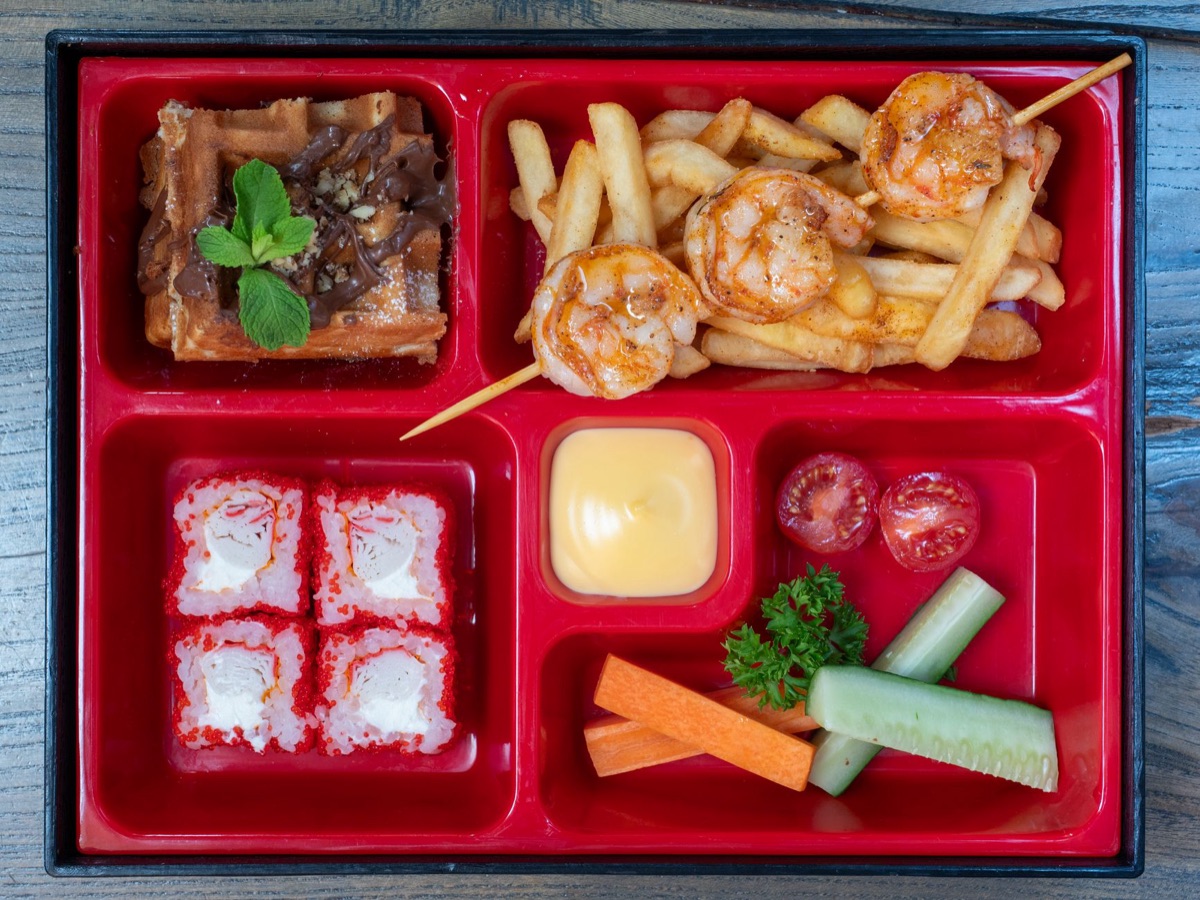
How can I build a balanced lunchbox without cooking every morning?
At 7:15 AM on Tuesday, July 22, 2026, I stood in my kitchen staring at a pile of raw ingredients, wondering why I even bothered trying to eat healthy. I grabbed a piece of toast and headed for the door, feeling the familiar dread of a mediocre workday lunch.
The secret to avoiding that morning scramble is the "Base-Protein-Veg" framework. Instead of cooking full meals, you focus on a 4:3:3 ratio—roughly 4 parts complex carbohydrates, 3 parts lean protein, and 3 parts fiber-rich vegetables.
This ratio ensures enough energy to get through your morning without the heavy feeling that leads to a crash.
To make this work, you need a batch-prep strategy. On a Sunday evening, cook one large batch of a versatile protein, such as seasoned chicken breast, hard-boiled eggs, or baked tofu. Split this protein into three different flavor profiles throughout the week.
For example, one portion gets Mediterranean seasoning, another gets spicy lime, and the third stays neutral for a grain bowl.
The "Cold vs. Hot" separation is another vital rule. Never pack your sauce or wet dressings in the same compartment as your greens or grains. If you put vinaigrette on salad greens the night before, you will be eating a pile of wilted leaves by noon.
To save time, lean heavily on "pre-washed" and "pre-cut" ingredients. While buying whole vegetables is cheaper, using bagged spinach or pre-sliced bell peppers reduces your morning prep to exactly five minutes. This makes the habit sustainable for someone with a busy schedule.
But having the ingredients is only half the battle; the real test comes when you actually open the lid.
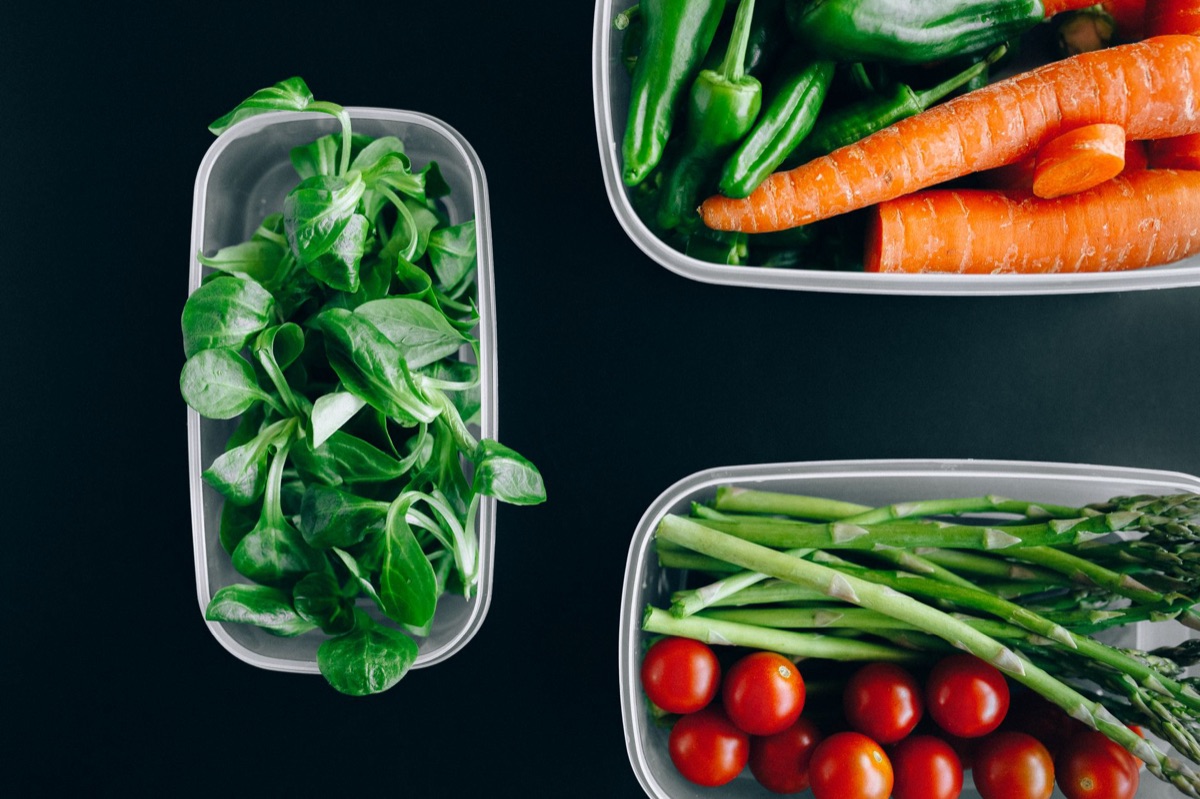
What are the best "No-Soggy" recipe combinations for solo eaters?
I once opened my lunchbox at a crowded office desk only to find a sad, gray mass where a vibrant salad should have been. The moisture from the dressing had turned my once-crisp cucumber into a sponge.
The Grain Bowl Method is the solution to this texture crisis. Using hearty grains like quinoa, brown rice, or farro allows your lunch to maintain its structure even when eaten cold or slightly warm. These grains are much more resilient than pasta or bread.
Always follow the "Dry-Base" rule. Keep your dressings, oils, or heavy sauces in small, 30ml leak-proof containers. Adding the dressing right before you eat ensures the texture remains as intended.
Here are two specific, foolproof combinations to try:
| Lunch Type | Base Ingredient | Protein/Fiber Source | Flavor Profile |
|---|---|---|---|
| The Mediterranean Solo Box | Quinoa & Cucumber | Roasted chickpeas & Feta | Lemon-herb vinaigrette (on the side) |
| The Low-Carb Solo Box | Cauliflower rice & Broccoli | Teriyaki chicken | Toasted sesame seeds & ginger |
The Mediterranean box uses the saltiness of feta and the crunch of cucumber to elevate the grain base. The Low-Carb box uses cauliflower rice as a volume filler, which stays firm enough to eat even if it's been in a lunchbox for several hours.
However, even the best-planned meals can go wrong if you don't know how to fix them on the fly.
How do I manage "Failure Recovery" when my lunch tastes bland or weird?
I sat in a quiet breakroom once, staring at a piece piece of chicken that was so dry and salt-free it felt like eating cardboard. I wanted to throw the whole container in the trash, but I had no other food left.
If your meal is too bland, the instinct is to dump salt on it. Instead, try the Salt/Acid Balance. If a dish lacks flavor, add acidity—like a squeeze of lemon juice or a splash of apple cider vinegar—before adding more salt. This brightens the flavors without the bloating caused by excessive sodium.
If your salad has lost its crunch, use the Texture Fix. Topping a "mushy" salad with toasted seeds, crushed nuts, or even a few crushed pita chips can revive the mouthfeel of the meal.
Keep a "Rescue Sauce" kit in your desk or locker. Three pantry staples—soy sauce, Sriracha, and olive oil—can transform almost any repetitive meal. If the chicken is dry, a little soy sauce helps; if the grains are bland, olive oil and salt fix the problem.
Finally, follow the Reheating Rule. Never microwave leafy greens like spinach or kale; they turn into a slimy, unappealing mess. If you have access to a microwave at work, swap greens for "hardy veggies" like carrots, roasted peppers, or broccoli which hold up much better to heat.
But before you start packing, you need to make sure you have the right gear to hold it all together.
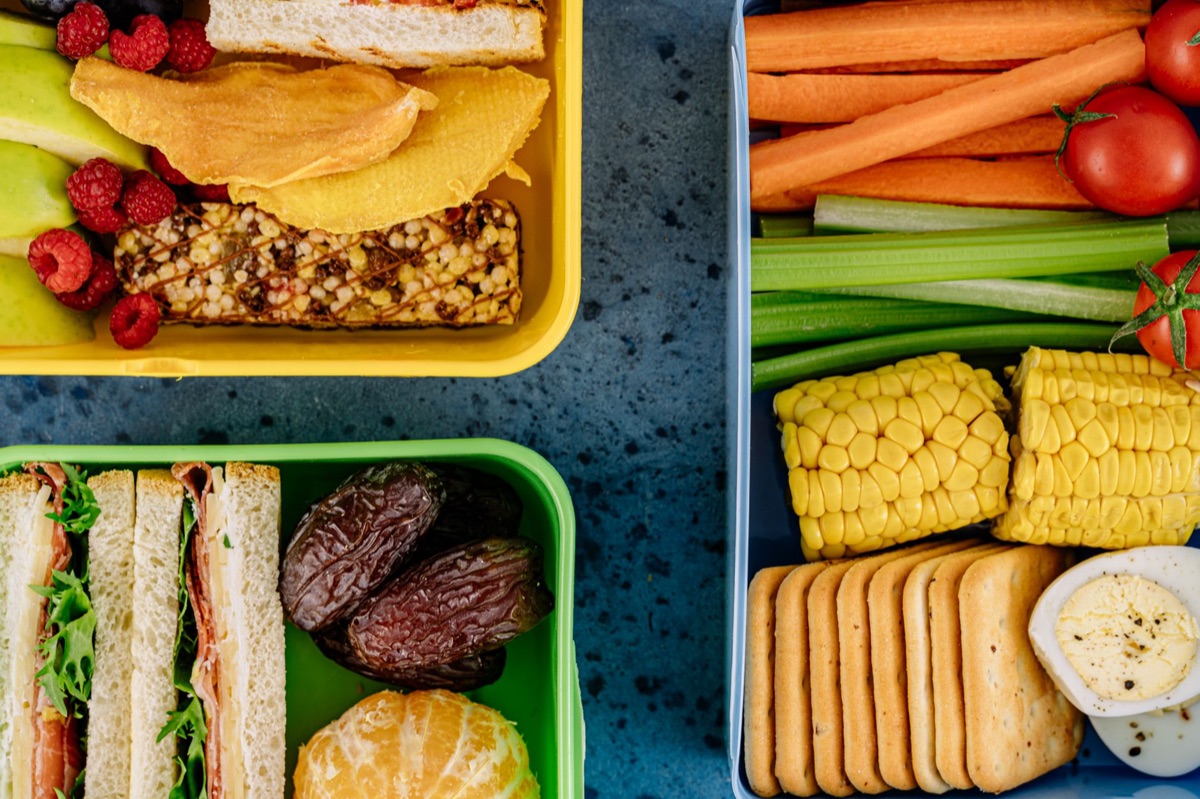
What are the essential tools for a single-person lunchbox setup?
Packing my lunch in an old, mismatched plastic container once led to a leak that ruined my laptop bag. It was a messy, expensive lesson in why gear matters.
The leak-proof essential is your first priority. Choose airtight, silicone-sealed glass containers. Glass is superior to plastic because it doesn't retain odors from previous meals and keeps flavors pure. It is also much easier to clean and safer for reheating.
For portion control, use divided containers. These allow you to manage calorie intake visually without needing to weigh every gram of food. It keeps your protein from touching your veggies, which helps prevent flavor transfer.
Consider your thermal strategy based on your environment. If you don't have access to a microwave, an insulated lunch bag with ice packs is mandatory. If you do have a microwave, microwave-safe glass is your best friend.
Finally, think about the "One-Handed" eating factor. If you often eat while working or on the go, select containers that are easy to open and eat from without making a mess. A wide-mouth container is much easier to manage than a deep, narrow one.
There is a catch, however: these tools only work if you follow a consistent schedule.
How can I scale my lunchbox prep from 1 day to 1 week?
I used to spend my entire Sunday in the kitchen, emerging exhausted and dreading the sight of my meal prep containers for the rest of the week. It felt like a chore rather than a lifestyle.
To prevent burnout, use the 3-2-1 Method. This means preparing 3 days of fresh, easy-to-assemble components, 2 days of frozen or shelf-stable items (like canned beans or vacuum-sealed proteins), and leaving 1 day for "clean out the fridge" creative cooking.
This prevents the monotony of eating the same thing five days in a row.
Rotate your ingredients to prevent "palate fatigue." If you used chicken for the first two days, switch to eggs or beans for the next two. This keeps your taste buds interested.
Follow this Grocery List Blueprint to stay organized: 1. Base Starch: A large bag of quinoa, rice, or sweet potatoes. 2. Primary Protein: A bulk pack of chicken, tofu, or legumes. 3. Fiber/Crunch: A variety of seasonal vegetables (broccoli, bell peppers, cucumber). 4.
Flavor/Acid: Lemons, limes, vinaigrettes, and dried spices.
By buying in bulk and rotating the flavors, you maximize your budget and minimize food waste.
Note that this system is not a magic bullet. If you are working with highly perishable items like seafood or soft cheeses, the 3-2-1 method must be adjusted to avoid food safety risks. Always prioritize freshness over convenience when working with high-risk ingredients.





Comments 0