Essential Kitchen Tools: 5 Must-Have Items for Beginners
Stop wasting money on "gadgets" you'll never use; master the core tools that turn a novice into a confident cook.
The secret to great cooking isn't a massive collection of plastic contraptions; it is a handful of high-quality, versatile tools used with precision. By focusing on a few essential items rather than a dozen single-use items, you build a kitchen that works for you instead of against you.
* Prioritize Versatility over Novelty: Focus on tools that perform multiple functions. * The Core Trio: A sharp knife, a heavy pan, and accurate measuring tools are the foundation of all culinary success. * Quality over Quantity: It is better to own one professional-grade chef's knife than a cheap 12-piece set.

Why most beginners fail with kitchen tools?
The kitchen at 7:00 PM on a Tuesday in 2025 is a battlefield of clutter. You stand over a cramped counter, trying to find space for a cutting board while a plastic avocado slicer and a dedicated egg boiler stare at you from a drawer, gathering dust.
The "Gadget Trap" is the most common pitfall for new cooks. It is tempting to buy a tool designed for a single specific task—like a strawberry huller or a specialized garlic press—because they promise to make life easier. In reality, these items often take up more space than they are worth.
If a tool only does one thing and you can do that task with a knife or a spoon, leave it on the store shelf.
Mismatching the tool to the task causes immediate frustration. If you try to mince garlic with a heavy cleaver or sear a steak in a thin, flimsy pan, the food will suffer. Using a vegetable knife for heavy meat tasks or a thin pan for high-heat searing leads to uneven cooking and ruined ingredients.
The "Cheap Set" fallacy is another trap. Many beginners buy a 15-piece knife block set because it looks impressive on a granite countertop. However, these sets often use low-quality steel that loses its edge almost immediately.
A dull knife is significantly more dangerous than a sharp one because it requires more force to cut, increasing the risk of the blade slipping.
A well-organized kitchen starts with understanding that a tool is an extension of your hand. When you own the right equipment, the food becomes the focus rather than the struggle with the equipment.
But having the right tools is only half the battle; you also need to know what to buy when you're standing in the aisle.
The Essential "Starter Kit": What to buy first?
You walk into a massive department store in the spring of 2026, staring at aisles of stainless steel and wooden handles. The sheer volume of choices feels overwhelming, making you wonder if you need everything just to make a basic omelet.
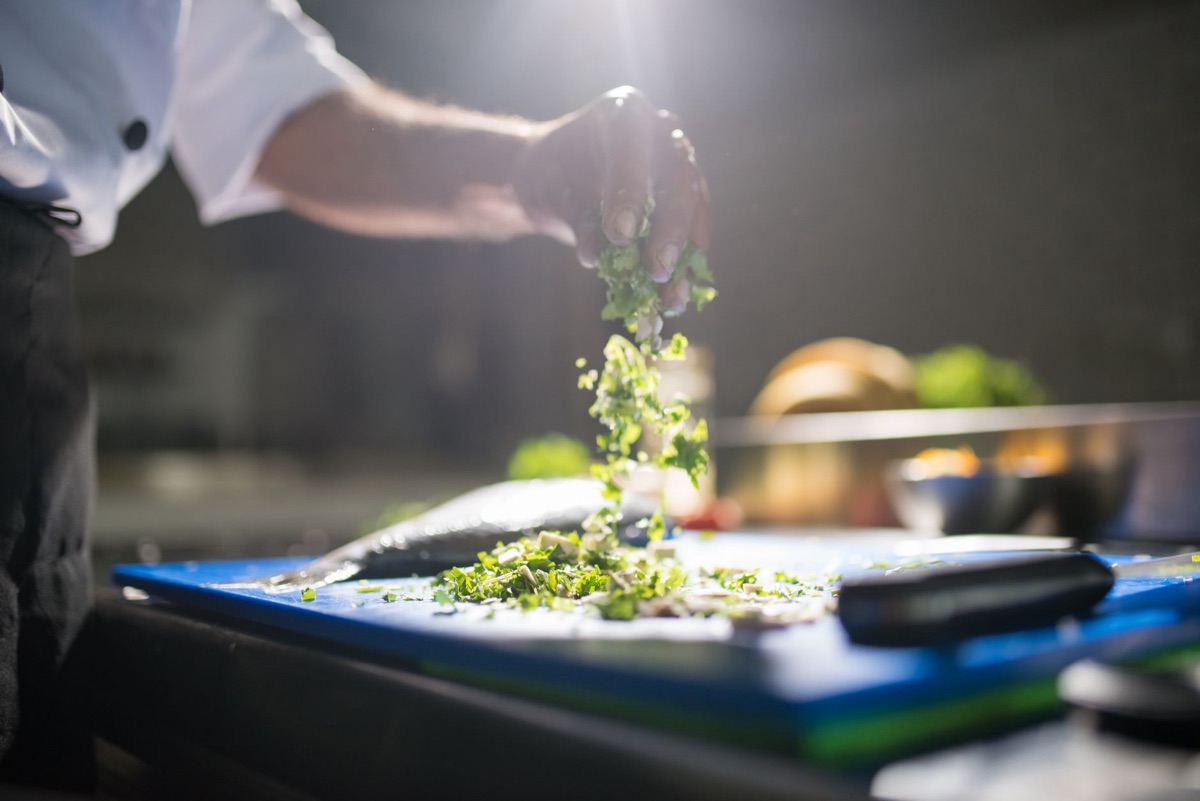
The first thing you need is The Knife. This is the soul of your kitchen. You do not need a block of twenty blades. You need one high-quality 8-inch (20cm) Chef's Knife for 90% of your tasks and one versatile Paring Knife for smaller, delicate work.
Next comes The Heat. You need two distinct types of pans. One 10-inch (24cm) non-stick frying pan is essential for low-heat tasks like eggs, pancakes, or delicate fish.
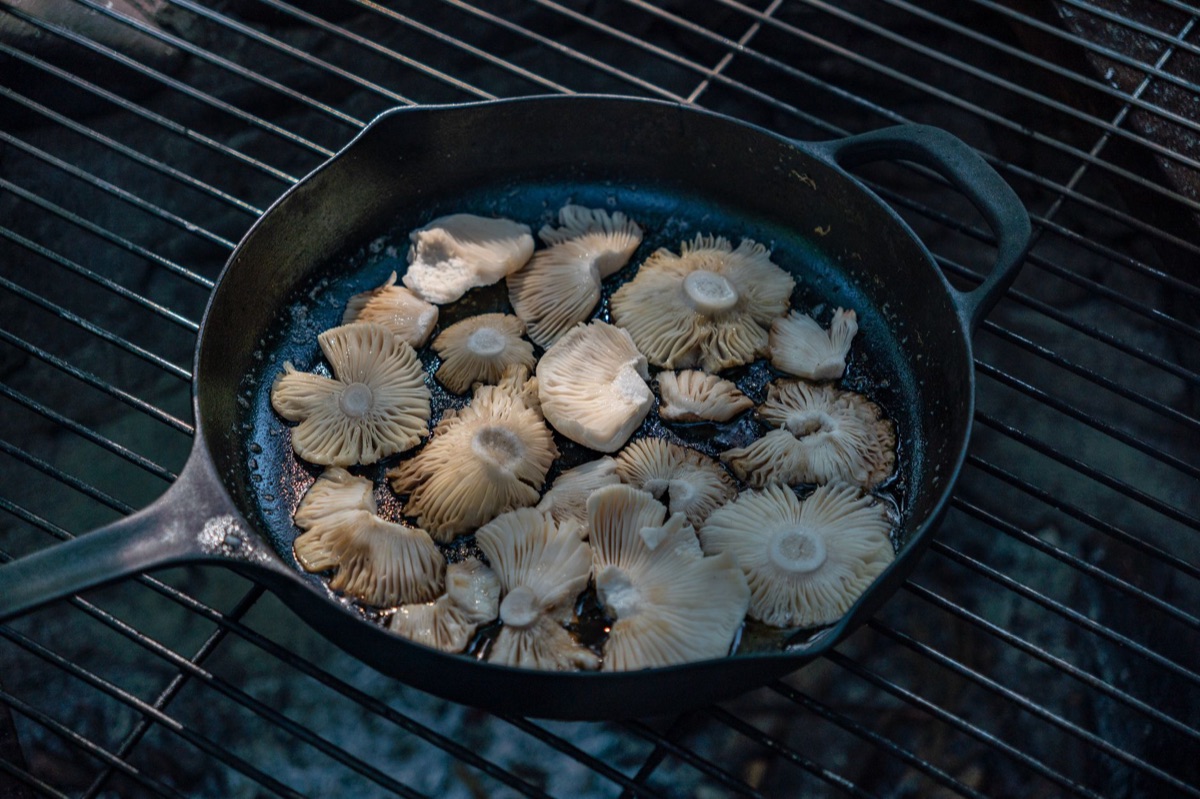
The second should be a heavier Stainless Steel or Cast Iron pan, which is built for high-heat tasks like searing meat or making a pan sauce.
The Foundation of your prep work requires a large, heavy-duty cutting board. Whether you choose wood or high-quality plastic, it must be stable and thick enough to stay flat on your counter. Pair this with a set of nesting mixing bowls to save space while prepping ingredients.
Finally, you need The Measurement. Cooking is often a science. A digital kitchen scale is vital for precision—especially if you bake—and a set of liquid and dry measuring cups/spoons ensures your recipes turn out consistent every time.
| Tool Category | Essential Item 1 | Essential Item 2 | Purpose |
|---|---|---|---|
| Cutting | 8-inch Chef's Knife | Paring Knife | Chopping, slicing, peeling |
| Cooking | 10-inch Non-stick Pan | Stainless/Cast Iron Pan | Eggs vs. Searing |
| Prep | Large Cutting Board | Nesting Mixing Bowls | Stability and containment |
| Measurement | Digital Kitchen Scale | Measuring Cups/Spoons | Precision and consistency |
But having the list is one thing; knowing how to pick the winners among the thousands of options is another.
How to choose quality: The "Pro-Level" Checklist
You hold a knife in a store in late 2025. It feels heavy in your hand, but as you move it, the balance feels off. You wonder if this is a tool that will last a decade or if it will be in the trash by next month.
When selecting a knife, focus on balance and weight distribution. The "balance point" should ideally be where the blade meets the handle. If the knife is too heavy in the blade or too heavy in the handle, your wrist will tire quickly.
Consider the steel type: Stainless steel is easier to maintain and resists rust, while Carbon steel holds a sharper edge but requires much more care.
For pans, thickness is king. A thin pan will warp under heat and create "hot spots" that burn food in one corner while leaving it raw in another. Look for heavy-bottomed pans that distribute heat evenly.
Ergonomics matter too; if the handle feels awkward or gets too hot to touch, you will find excuses to avoid using it.
Material safety is a critical consideration. Avoid low-quality non-stick coatings that peel or flake into your food.
Understand the trade-off: Ceramic coatings are often marketed as "natural" and handle high heat well, while Teflon-style coatings are incredibly easy to clean but can be damaged by metal utensils.
Always test the "grip." A professional-level tool should feel like a natural extension of your hand. If you can't hold it comfortably in a natural hand position, it isn't the right tool for you.
When I first started building my own kitchen, I bought a massive set of knives because they looked professional. I quickly realized that having twenty knives meant I had twenty things to clean, but only two that actually worked well.
Now that you know what to look for, you need a plan to get them into your kitchen without breaking the bank.
Step-by-Step: Building your kit on a budget
You look at your bank account and then at your empty kitchen counter in early 2026. You realize you cannot buy everything at once, so you need a plan to grow your kitchen without breaking the bank.
The best way to build a kitchen is in phases. This prevents clutter and ensures you aren't wasting money on items you aren't ready to use.
- Phase 1 (The Absolute Minimum): Buy a single good knife, a cutting board, one versatile pan, and one spatula. This allows you to cook almost anything.
- Phase 2 (The Intermediate Cook): Once you are comfortable, add a pot or saucepan for boiling pasta/making soup, a colander for draining, and a set of measuring tools.
- Phase 3 (The Advanced Home Chef): Finally, invest in specialized tools like a whisk, a microplane (for zesting), and a Dutch oven for braising.
The golden rule of budget building is: Buy the knife first, then the pan, then the rest. A great knife makes every task easier, while a great pan makes every meal better.
But once you have the tools, you have to keep them from falling apart.
Maintenance: How to make tools last a lifetime
You pull a knife out of the dishwasher in the morning and realize it looks dull and scratched. You realize that the very thing meant to make cooking easier has become a source of frustration.
Proper maintenance is the difference between a tool that lasts a year and one that lasts a lifetime. The most important rule for knives is: No Dishwashers. The heat and chemicals in a dishwasher will ruin the temper of the steel and crack wooden handles.
Clean your knives by hand with warm soapy water and dry them immediately.
For pans, prevent warping by avoiding "thermal shock." Never take a hot pan directly from the stove and plunge it into a sink of cold water. This causes the metal to contract too quickly and warp. For non-stick pans, use silicone or wood utensils to prevent scratching the coating.
Proper storage is also vital. In a small kitchen, don't just toss knives into a drawer where they hit other metal. Use a magnetic strip or a knife block to protect the blades.
| Tool Type | Maintenance Rule | Why it Matters |
|---|---|---|
| Knives | Hand wash only; no dishwasher | Prevents rust and handle damage |
| Cast Iron | Season with oil regularly | Prevents rust and creates natural non-stick |
| Non-Stick | Use wood/silicone tools | Prevents peeling of the coating |
| General | Avoid thermal shock | Prevents warping of pans |
With the right care, your tools will serve you for years. But you might still have questions about the specifics of your own kitchen setup.




Comments 0