Summer Veggies: 3 Stars for Your Kitchen This Season
Stop treating summer vegetables like an afterthought and start treating them as the stars of your kitchen.
The secret to mastering summer cooking lies in choosing high-moisture, high-flavor produce like zucchini, bell peppers, and corn, and applying high-heat techniques to transform their natural sugars.
By mastering heat control and texture management, you can turn a simple trip to the farmer's market into a gourmet meal.
* The Big Three: Zucchini, Bell Peppers, and Corn offer the best balance of sweetness and texture for summer heat. * The Golden Rule: High heat is your best friend for caramelization, while precise water control prevents mushiness. * The Level Up: Move from simple side dishes to main-course components by pairing these vegetables with healthy fats or grains.

Which three vegetables define summer cooking? The sun is beating down on the pavement in downtown Chicago in July 2026, and the humidity makes the thought of a heavy, oven-baked casserole feel impossible.
You stand in front of your fridge, staring at a pile of groceries, wondering how to make something that feels fresh but actually tastes like a real meal.
The first essential is the Zucchini. It is incredibly versatile, pairing perfectly with garlic, lemon, and parmesan, but its primary weakness is its high water content, which can turn a dish into a soggy mess if handled poorly.
The second is the Bell Pepper. It brings a bright, sweet crunch that works in salads or roasted in pans, though you must watch out for the tough, bitter skin if you don't remove it or cook it long enough.
The third is Corn. It is the king of summer sweetness, pairing beautifully with lime and chili, but its texture can quickly shift from crisp to chewy if overcooked or left in standing water.
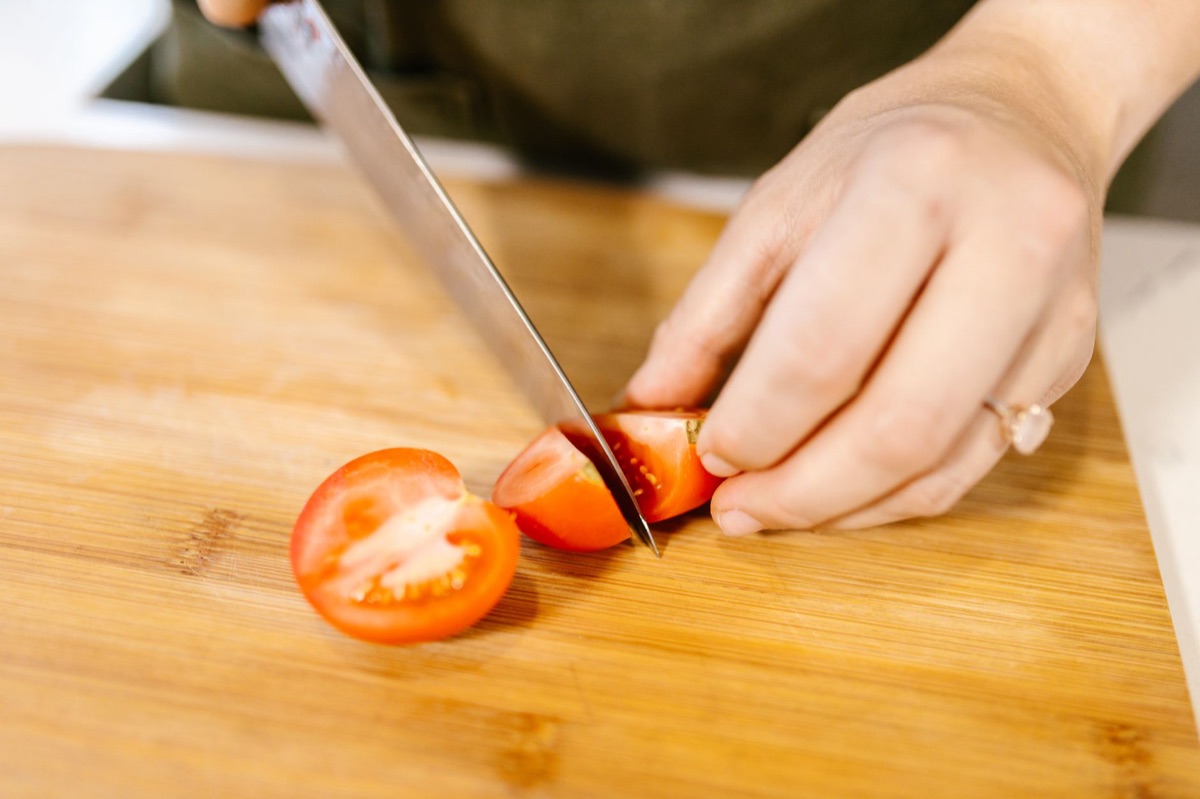
What are the essential prep techniques? I remember standing in my tiny kitchen in Brooklyn in 2025, slicing through a massive pile of peppers, only to realize I had cut them into uneven chunks that cooked at different speeds. Half were burnt, and the other half were raw in the middle. It was a frustrating lesson in geometry and heat.
Achieving the perfect texture requires uniform cutting. If you are roasting, aim for larger, thicker chunks to withstand the heat; if you are sautéing, thinner slices work best.
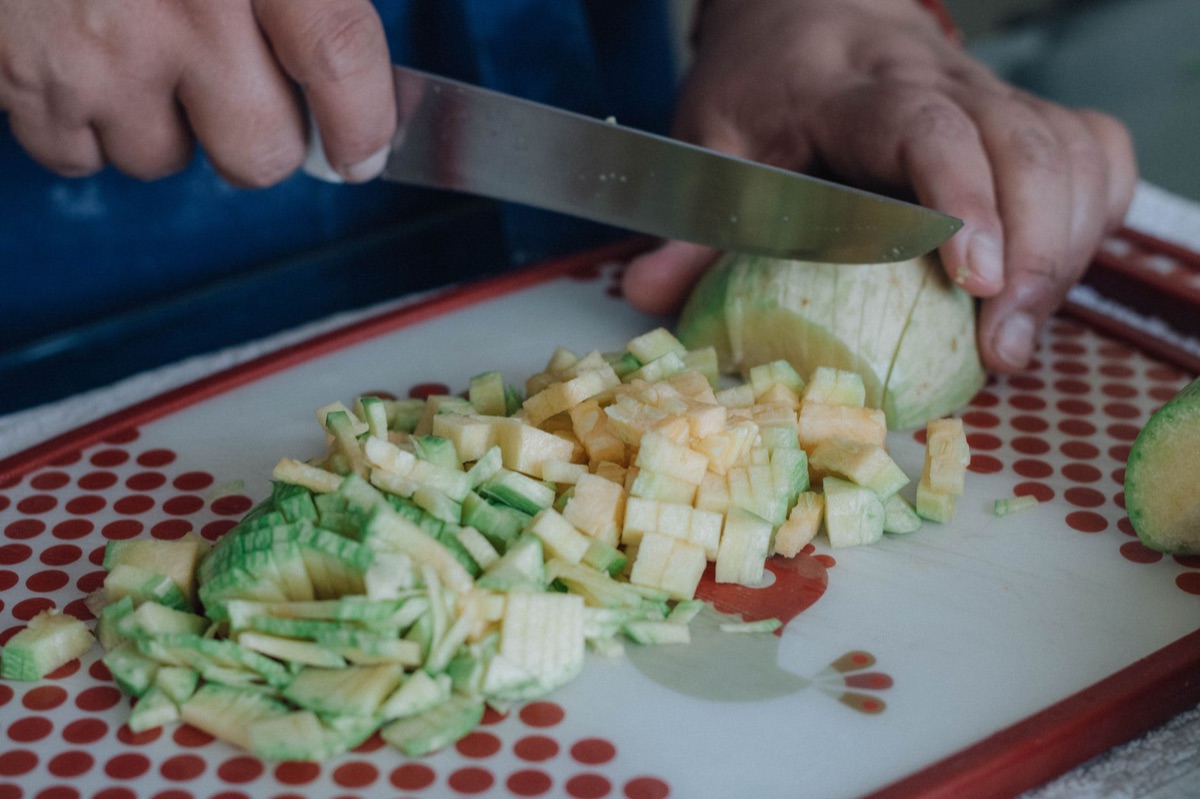
For Zucchini, slice into rounds about 0.5 inches thick for roasting or 0.5-inch batons for sautéing. For Bell Peppers, remove the seeds and the white pith entirely to avoid bitterness.
For Corn, if you are using corn on the cob, trim the base so it stays stable, or if you are using kernels, cut them cleanly from the cob in one rhythmic motion to avoid bruising the kernels.
To maximize lifespan, wash your vegetables only right before you use them. If you must prep in advance, wrap sliced zucchini in a damp paper towel and keep it in a sealed container to prevent it from shriveling in the fridge.
Flawless Execution: Cooking Methods for Beginners
The oven is preheating in my kitchen, the smell of warming metal filling the air as I prepare for a batch of roasted vegetables. It is easy to be intimidated by high temperatures, but that is where the magic happens.
When roasting, the goal is caramelization. You should preheat your oven to 450 degrees Fahrenheit. This high heat is essential because it evaporates surface moisture quickly, allowing the natural sugars in the vegetables to brown rather than steam.
For large batches, place about 1 inch of water in a pot or saucepan if you are boiling, but for roasting, ensure your vegetables are spread across two sheet pans so they aren't crowded. These epic roasted vegetables fill two sheet pans and take 30 minutes to roast.
For sautéing, use a heavy pan and medium-high heat. If you are adding noodles or grains to your vegetable mix, add in the noodles and stir for 3-5 minutes until they soften. This prevents the vegetables from overcooking while the starch hydrates.
When braising or simmering, control your liquid. If you are making a vegetable soup or a soft side dish, ensure you have enough liquid to cover the base, but don't drown the ingredients.
Keep stirring for 3-5 minutes or until the noodles or softer vegetables begin to soften to ensure even heat distribution.
| Method | Best For | Temperature/Time Tip |
|---|---|---|
| Roasting | Peppers, thick Zucchini | 450°F for 30 minutes |
| Sautéing | Thin Zucchini, Corn kernels | High heat, 3-5 minutes |
| Steaming/Boiling | Corn on the cob | 1 inch of water in a pot |
Beyond the Side Dish: How to Build a Real Meal
I once served a plate of roasted peppers and corn to friends, and it was just a pile of vegetables on a plate. It felt like a side dish, not a meal. Now, I think about how to build a centerpiece around the harvest.
For a 15-minute weekday win, toss sliced zucchini and corn kernels in a pan with olive oil, garlic, and red pepper flakes. It is a complete, vibrant meal when served over a bed of 1 cup of cooked quinoa or farro.
To transform these into a main course for a gathering, roast thick slabs of bell peppers and zucchini with balsamic glaze and 2 ounces of feta cheese. The heavy, salty cheese and acidic glaze turn the vegetables into a centerpiece that can stand alone or be served alongside grilled chicken.
If you only have a microwave or a single pan, lean into the "one-pan" philosophy.
Sauté your peppers and zucchini together in one skillet, and in the final minutes, toss in a 15-ounce can of chickpeas or some 1-cup portion of pre-cooked grains to add protein and bulk, turning a vegetable side into a hearty bowl.
Troubleshooting: When Summer Veggies Go Wrong
The kitchen was silent after I pulled a tray of zucchini out of the oven, only to find a pool of water at the bottom of the pan and mushy, limp slices. It was a heartbreaking end to a dinner attempt.
If your vegetables are mushy, the root cause is usually excess water or overcrowding in the pan. If this happens during roasting, you can try to salvage the flavor by draining the liquid and tossing the vegetables in a hot pan for another 2 minutes to evaporate the moisture.
If the flavor is bland, do not reach for more salt immediately. Instead, introduce acid—like 1 tablespoon of lemon juice or vinegar—or a healthy fat like 1 tablespoon of avocado oil or tahini. This brightens the natural flavors without making the dish taste salty.
For overcooked or bitter vegetables, if they are slightly past their peak, blend them into a sauce. A bitter roasted pepper can be blended with 0.5 cups of cream or coconut milk to create a rich, savory base for another meal, effectively recycling the "failure" into a new ingredient.
The Master Summer Harvest Checklist
To ensure your vegetable dishes succeed every time, follow this specific workflow:
- Select and Inspect: Choose firm zucchini and peppers with tight, shiny skins. If using corn, ensure the husks are bright green and moist.
- Controlled Moisture Management: For high-water veggies like zucchini, salt them lightly 10 minutes before cooking to draw out excess liquid, then pat dry with a paper towel.
- Uniform Sizing: Cut all pieces to roughly the same size to ensure they cook at the same rate. Aim for 0.5 to 1-inch chunks.
- Heat Application: Preheat your pan or oven fully before adding vegetables. Crowding the pan is the enemy; use two pans if you have more than 2 pounds of produce.
- The Final Touch: Always finish with an acid (lemon/vinegar) or a fat (oil/cheese) to balance the natural sugars.



Comments 0