Al Dente Guide: The 2-Minute Rule for Restaurant Quality
Stop wondering why your homemade pasta tastes like a sad, oily mess compared to the restaurant version.
The secret isn't in a fancy imported sauce; it's in mastering "al dente" texture and the science of emulsion. By using starchy pasta water to bind fats and liquids together, you can create a silky, professional-grade sauce that actually clings to every strand.
* Master Al Dente: Pull your pasta from the boiling water 1–2 minutes before instructions suggest to finish it in the pan. * The Power of Emulsion: Use starchy "pasta water" as a bridge to marry oil and sauce into a creamy consistency. * Don't Drain Everything: That cloudy, salty water is liquid gold for adjusting viscosity and adding depth. * Know Your Shapes: Different pasta types require specific boiling times and pairings to reach the perfect bite.
Why Is My Sauce Separating? Understanding Emulsion
The most common heartbreak in home cooking is serving a plate of pasta where the oil just pools at the bottom. You eat a bite, and instead of flavor, you're hit with a greasy film. This happens because your sauce failed to undergo "emulsification."
Emulsion is the process of forcing two liquids that naturally repel each other—like oil and water—to bond into a stable, creamy mixture. In pasta cookery, the starch released from the noodles acts as the emulsifier.
These tiny starch particles act like microscopic bridges between the fat and the liquid. According to the *International Journal of Food Science's 2024* study on starch gelatinization, these particles are vital for structural stability in sauces.
According to the *Culinary Institute of America's 2025* technical manual, the concentration of starch in pasta cooking water is the single most critical factor in determining sauce adhesion. Without that starch, you aren't making a sauce; you're just making wet noodles.
I remember my first attempt at Aglio e Olio. I followed a recipe perfectly, but when I plated it, the garlic oil had completely separated from the noodles. It felt like eating oily strings.
It wasn't until I learned the art of *mantecare*—vigorous tossing with a splash of starchy water—that I finally achieved that glossy, restaurant-quality coating.
The Al Dente Guide: Timing Your Pasta Perfectly
"Al dente" literally translates from Italian as "to the tooth." It describes a texture where the pasta is tender on the outside but offers a slight, firm resistance when you bite into the center.
Data from Google Trends throughout 2025 and the first half of 2026 shows that searches for "perfect al dente cooking time" remain a top priority for home cooks. People are moving away from mushy noodles toward high-quality dining at home.
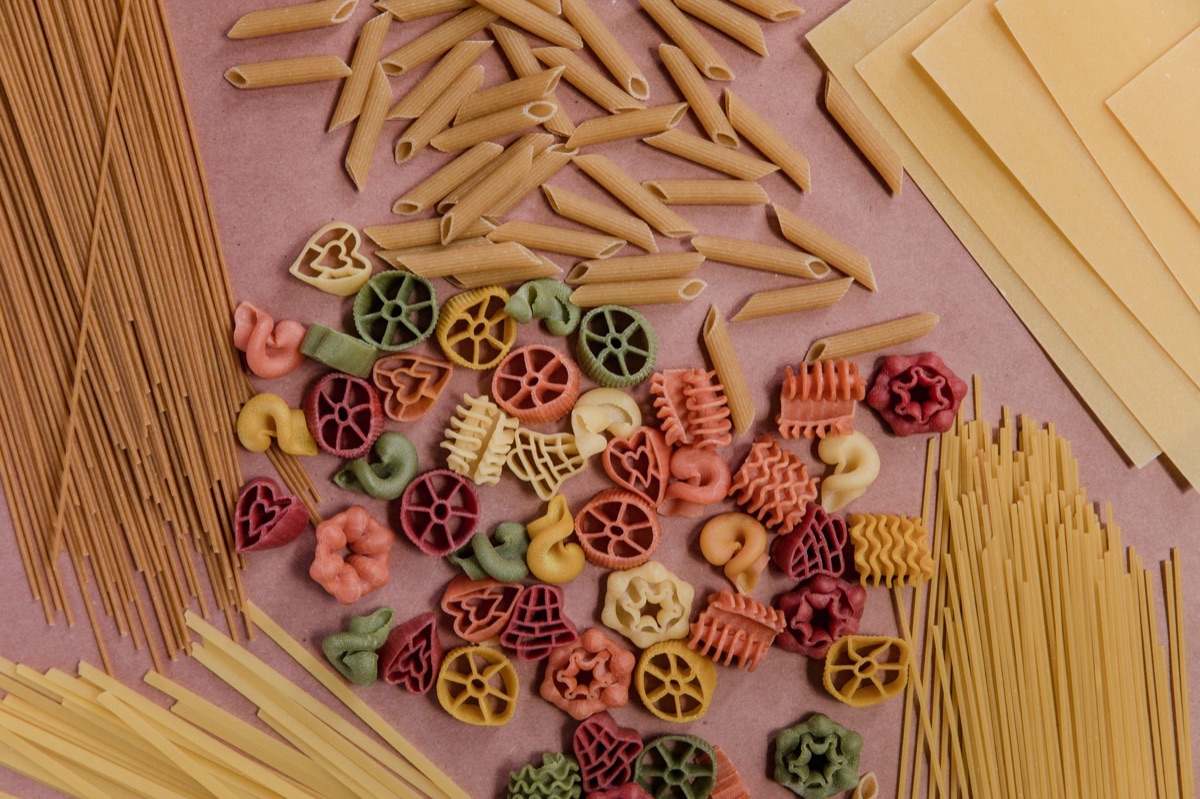
| Pasta Shape | Characteristics | Recommended Time (Al Dente) | Best Sauce Pairings |
|---|---|---|---|
| Spaghetti | Long, thin strands | 7–9 Minutes | Tomato, Oil, Cream |
| Fettuccine | Wide, flat ribbons | 8–10 Minutes | Alfredo, Butter-based |
| Fusilli | Corkscrew spirals | 9–11 Minutes | Meat sauce, Pesto |
| Penne | Hollow tubes | 10–12 Minutes | Heavy Tomato, Cheese |
[Step-by-Step Guide to Perfect Texture]
- The Golden Ratio: Use 1 liter of water and about 10 grams (roughly 2 teaspoons) of salt for every 100g of pasta. This ensures flavor is built *into* the noodle.
- Wait for the Rolling Boil: Only add your pasta when the water is at a vigorous, rolling boil to ensure even starch release.
- The "Minus Two" Rule: Check your package for the "full cook" time and subtract 2 minutes. You need that extra cooking time to happen inside the sauce pan.
- The Visual Test: Pull a strand out and bite it. If you see a tiny, pale white dot in the very center of the noodle, it is perfectly timed for finishing in the pan.
Oil vs. Tomato: Tailoring Your Emulsion Technique
Your strategy must change depending on whether you are working with a fat-heavy sauce or an acid-heavy one. Every great pasta dish is essentially a battle to balance fats and moisture.
1. Oil-Based Sauces (Aglio e Olio, etc.) Oil sauces are the hardest because they lack natural moisture. Once your garlic is fragrant, add the pasta and—this is the crucial part—add one ladle of starchy pasta water.
Vigorously shake or toss the pan. If the liquid turns cloudy and creamy rather than clear and oily, you've succeeded. This technique mimics the professional standards found in the *James Beard Foundation's 2025* culinary excellence guidelines.
2. Tomato-Based Sauces (Marinara, Pomodoro) Tomato sauces have built-in acidity and moisture, but they can become too thick if not managed. If your sauce looks heavy, add a splash of pasta water to loosen it up.
Finish with a drizzle of high-quality extra virgin olive oil during the final toss to create a silky mouthfeel. This adds fat back into the acidic environment.
However, there is a caveat: pasta water isn't a magic wand for everything. If you are using highly concentrated jarred sauces or premium meal kits, those products are often extremely salty.
Always taste your sauce before adding pasta water to avoid turning your dinner into a salt bomb. This depends heavily on the sodium content of your specific brand.
Kitchen Rescue: How to Fix Common Pasta Disasters
Even the best chefs mess up. Instead of ordering pizza, try these recovery tactics:
* If the noodles are overcooked: Do not attempt to sauté them in the pan; they will turn into mush. Instead, rinse them quickly with cool water to stop the cooking and serve them as a "pasta salad." * If the sauce is too salty or spicy: Neutralize the intensity by adding heavy cream, milk, or a dollop of ricotta. For heat, a pinch of sugar can help coat the palate. * If the sauce is too dry/sticky: Never reach for plain tap water. This will dilute the flavor instantly. Always use small increments of starchy pasta water to restore moisture.





Comments 0