Salt Fixes: 4 Pro Methods to Save Overly Salty Dishes
"Don't throw it in the trash—don't panic—learn the science of flavor balance to turn a culinary disaster into a delicious meal in minutes."
If you've ever stared at a pot of soup that tastes like a salt lick or a sauce that's so bland it's practically water, you know the sinking feeling of a ruined dinner. The good news is that most seasoning mistakes are reversible through the careful application of chemistry and contrast.
Key Takeaways * The Golden Rule of Balance: Flavor is a constant tug-war between Salt, Acid, Sweet, and Fat. * Dilution vs. Masking: Learn when to increase volume (water/stock) and when to use contrast (acid/sugar) to hide mistakes.
* The 'Buffer' Method: Use starches or fats to absorb or coat the palate, neutralizing harsh seasoning without ruining the dish's integrity.

The "Too Salty" Crisis: How to Save a Dish Without Diluting the Flavor?
The steam rises from the pot, hitting your face with the sharp, stinging scent of over-seasoned beef stew. You take a spoonful, and the salt hits the back of your throat instantly. You realize you went too heavy on the bouillon, and now the entire meal feels ruined.
When a dish is too salty, the first instinct is to pour in more water, but that often results in a thin, tasteless soup. Instead, try the Volume Expansion Method. If you have the space, add more "bulk"—more vegetables, more unsalted stock, or more noodles—to distribute the salt across a larger mass.
This lowers the concentration without losing the soul of the dish.
If you can't add more ingredients, try the Acid Counter-Attack. Adding a squeeze of lemon juice or a teaspoon of apple cider vinegar doesn't actually remove the salt, but it tricks your brain. The brightness of the acid cuts through the heavy sodium, making the dish feel more balanced.
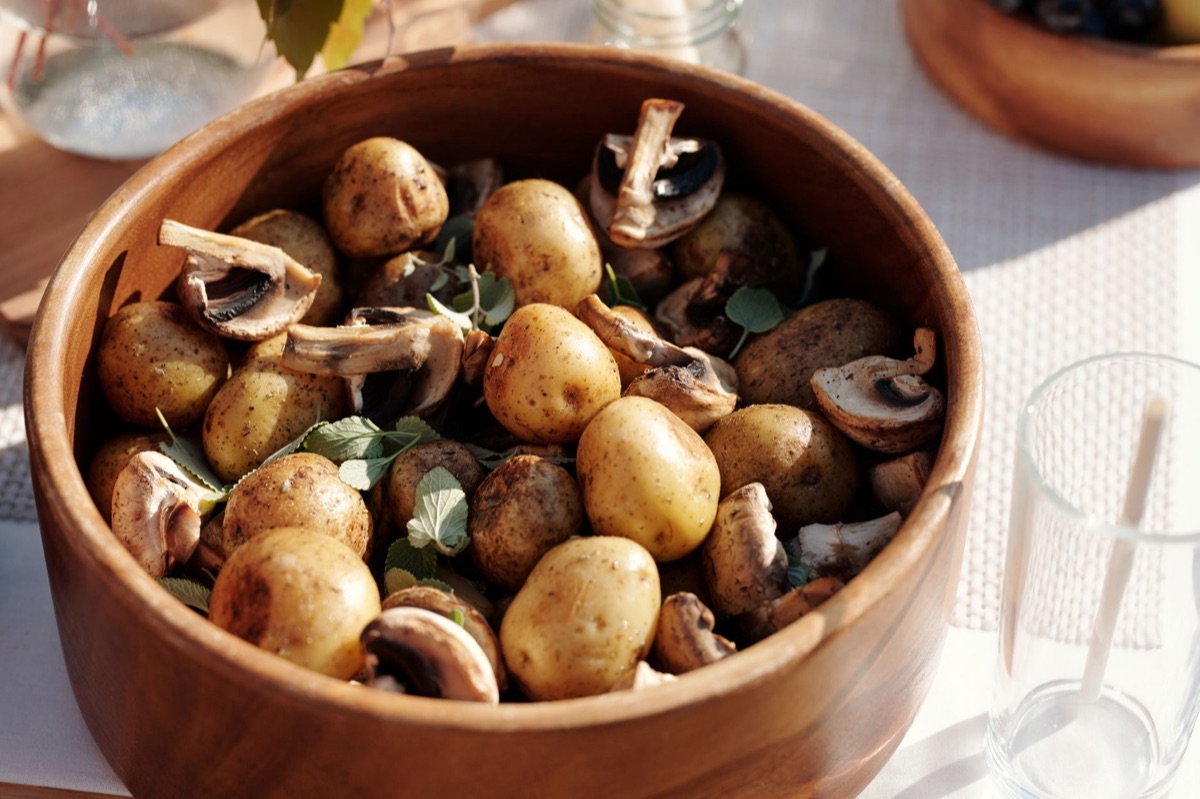
For thicker dishes, the Starch Buffer is your best friend. Dropping a peeled, halved potato into a simmering soup can help absorb some of the liquid's salinity.
Alternatively, a cornstarch slurry can thicken the sauce, spreading the salt molecules further apart so they don't hit your tongue all at once. If you are making a creamy pasta or a chowder, the Dairy Rescue is the ultimate move.
Adding heavy cream, milk, or sour cream coats the tongue, creating a physical barrier that prevents the salt from overwhelming your taste buds.
The "Too Bland" Dilemma: How to Add Flavor Without Over-Salting?
You stand over the stove, spoon in hand, tasting a stir-fry that feels strangely empty. It has the right texture, but the flavors aren't "popping." You reach for the salt shaker, but you're afraid that adding more sodium will make the dish heavy and one-dimensional.
The secret to fixing blandness without turning the dish into a salt bomb is the Umami Boost. Instead of pure table salt, reach for fermented or complex ingredients like miso, fish sauce, or a dusting of parmesan cheese.
These provide "hidden" salt—flavor depth that hits the savory receptors without the sharp sting of pure sodium.
If the dish feels "flat" rather than tasteless, try the Acid Brightener. Often, a dish isn's bland because it lacks salt, but because it lacks acidity. A small splash of lime juice or white vinegar can "wake up" the existing flavors, making them much more prominent.
For even more complexity, try the Aromatics Trick. Sautéing a little extra garlic, ginger, or onion powder in a separate small pan and folding it into the dish can provide a massive flavor lift. If the dish feels thin or lacks "body," the Fat Emulsion is the answer.
Adding a knob of butter or a drizzle of high-quality olive oil can carry the flavors across your palate more effectively, making the seasoning feel much more robust.
The "Too Spicy" or "Too Sour" Emergency: What to do next?
The first bite of the chili-laden curry hits your tongue, and the heat is immediate and painful. Your eyes water, and the spice is so intense you can't taste anything else. This is the culinary version of an emergency.
To manage extreme heat, you need to target the capsaicin. The best tools are sugar, honey, or even a bit of peanut butter. These ingredients coat the heat-receptors on your tongue, physically damping the burn. This is why many spicy peanut sauces are so much more tolerable than pure chili sauces.
If the dish is overwhelmingly sour—perhaps you accidentally used too much vinegar—you need to balance the acidity. Adding a tiny pinch of baking soda can neutralize the acid, but be careful: it can change the texture or create bubbles.
A better way is to add a touch of sweetness, like maple syrup or sugar, to round out the sharp edges.
For both heat and acid, the Fat Shield is the ultimate defense. Because capsaicin is fat-soluble, using oils, cream, or coconut milk can physically block the spice from hitting your tongue. This is why milk is the traditional remedy for spicy food.
| Problem | Primary Fix | Secondary Fix |
|---|---|---|
| Too Salty | Increase Volume (Bulk/Liquid) | Add Acid or Dairy |
| Too Bland | Add Umami (Miso/Soy) | Add Acid or Aromatics |
| Too Spicy | Add Sugar or Sweetness | Add Fat (Cream/Oil) |
| Too Sour | Add Sweetness | Add Baking Soda (Tiny amount) |

The Professional's Toolkit: Essential Ingredients for Every Recovery Kit
Walking into a kitchen after a failed meal can feel defeating. To prevent this, you should always keep a "recovery kit" of staple ingredients in your pantry. These are the building blocks of flavor balance.
The Acid Trio * Apple cider vinegar * Lemon juice * Balsamic vinegar
The Umami Trio * Soy sauce * Fish sauce * Tomato paste
The Sweet Trio * Honey * Granulated sugar * Maple syrup
The Texture Fixers * Cornstarch * Potatoes * Heavy cream
Having these on hand means you are never truly stuck. A single bottle of vinegar or a jar of honey can be the difference between a trash can and a gourmet meal.
Step-by-Step: The "Rescue Protocol" Workflow
When the heat is on and the meal is failing, follow this systematic workflow to ensure you don't make the problem worse.
- Identify the Primary Error: Taste the dish carefully. Is the issue the salt level, the acidity, the heat, or the lack of depth? 2. Assess the Base: Is the dish liquid-based (like a soup) or solid-based (like a stir-fry)? This determines whether you use dilution or masking. 3. Apply the Counter-Agent: Select your ingredient based on the "Golden Rule." If it's salty, go for acid or bulk. If it's bland, go for umami or fat. 4. The Small-Batch Test: This is the most important rule. Never dump a whole cup of something into the pot. Add your "fix" in small, measurable increments. 5. Final Seasoning Check: Re-evaluate the texture and heat. Sometimes fixing the salt reveals that the dish now needs a little bit of heat or a bit more acid.
I remember a time in my small apartment in Chicago when I accidentally dumped an entire jar of minced garlic into a delicate cream sauce. The garlic was so overpowering I thought the whole batch was lost.
Instead of throwing it out, I added more cream, a bit of sugar, and some extra starch to thicken it. By spreading the garlic across a larger volume and using the fat to coat my tongue, I turned a garlic bomb into a rich, savory chowder.
Limitations and Trade-offs Note that these techniques are not magic. Adding more water to salty soup will fix the salt, but it will also make the soup thinner. Adding sugar to spicy food will help the heat, but it might make the dish too sweet for some palates.
Always consider the original intent of the recipe before you start the rescue.






Comments 0